Tag: Forest of Dean

  • Forest of Dean 2023

    Forest of Dean 2023

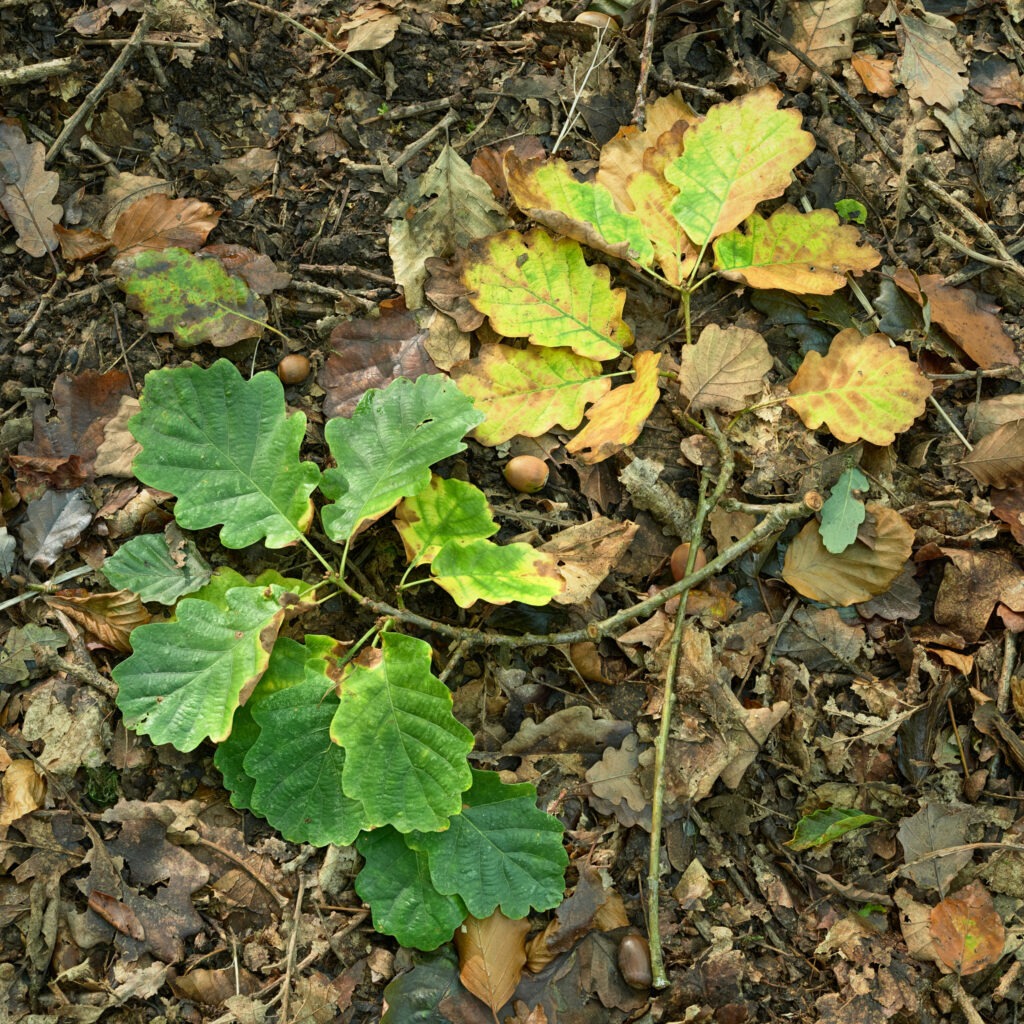
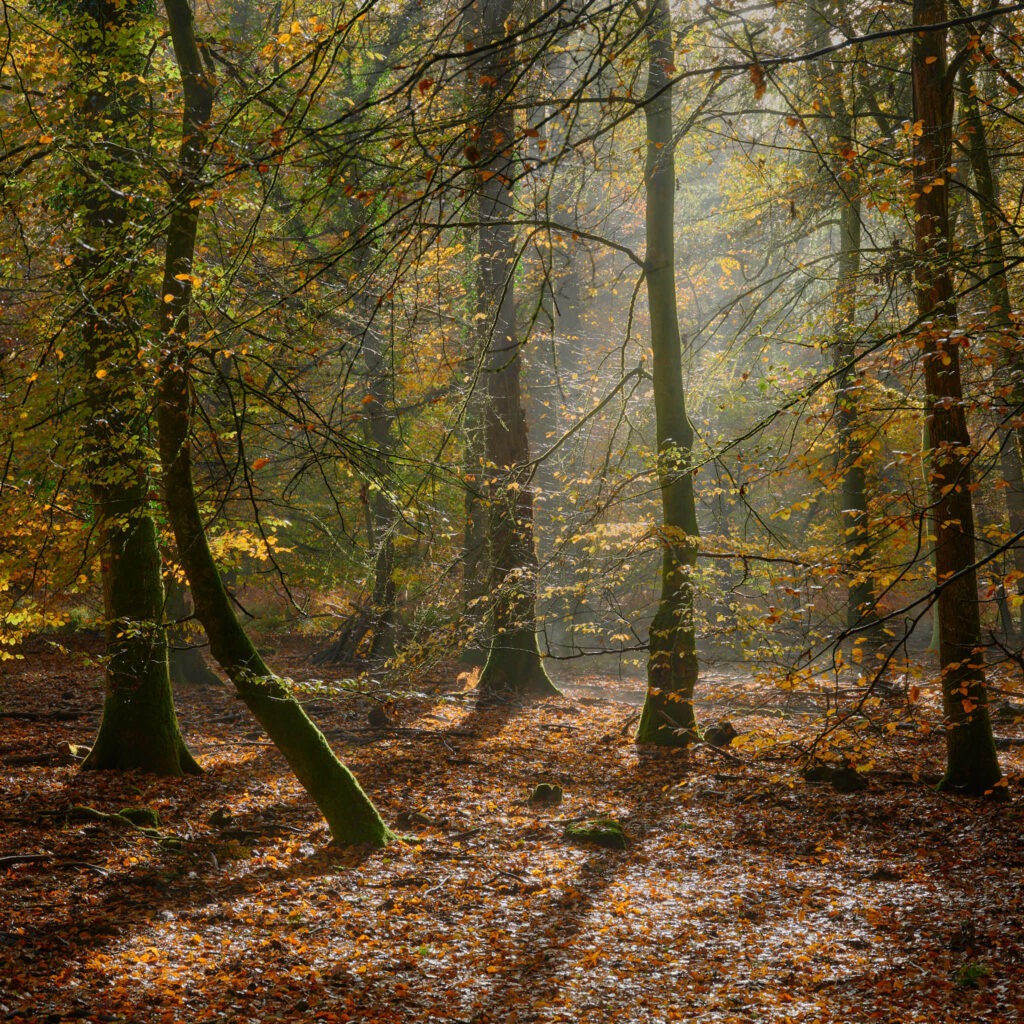
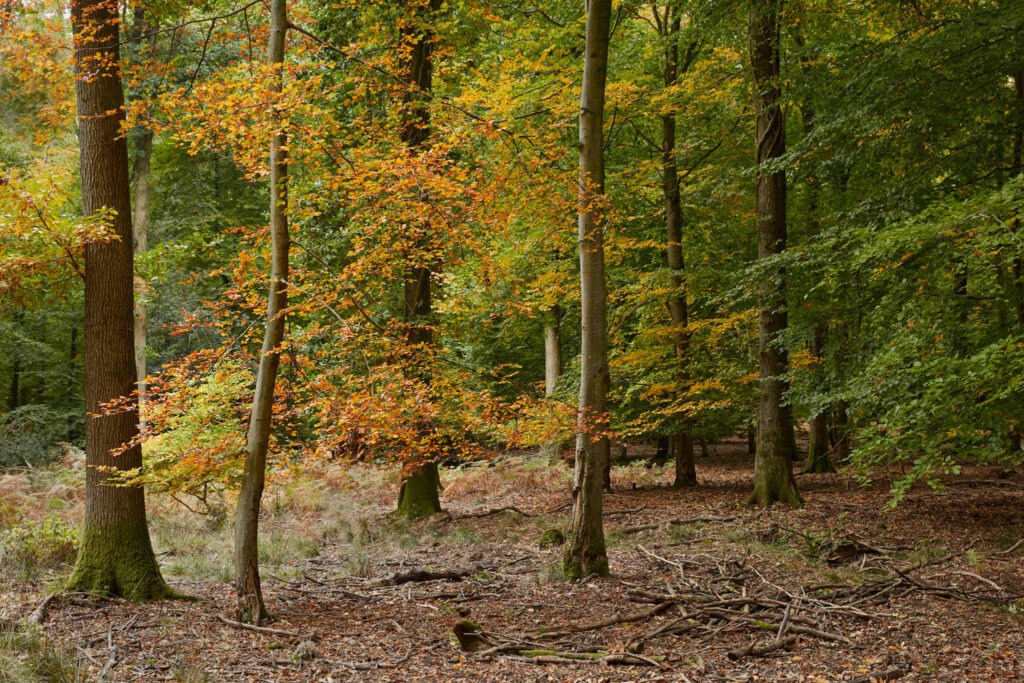
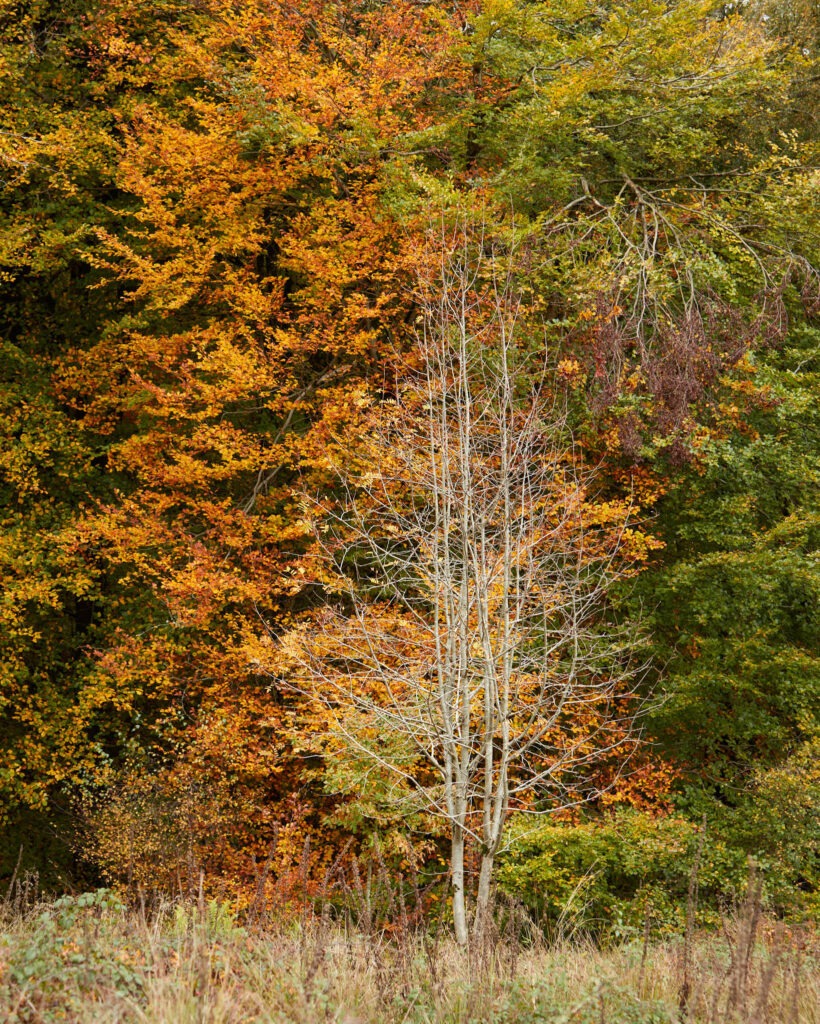
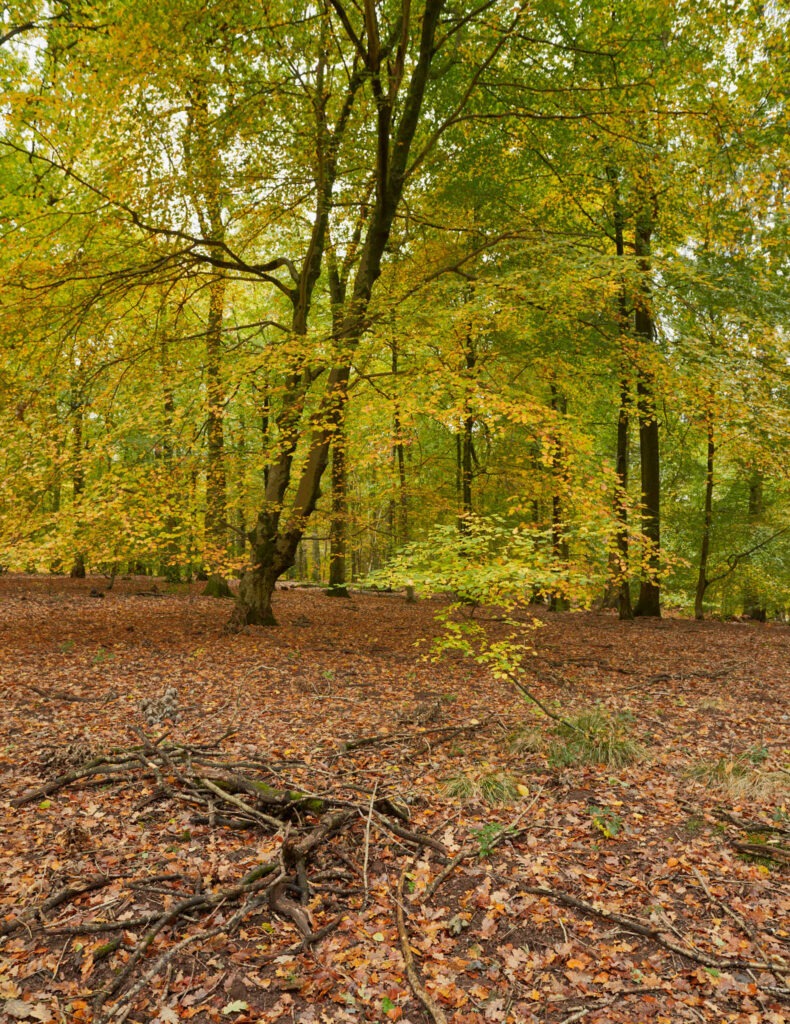
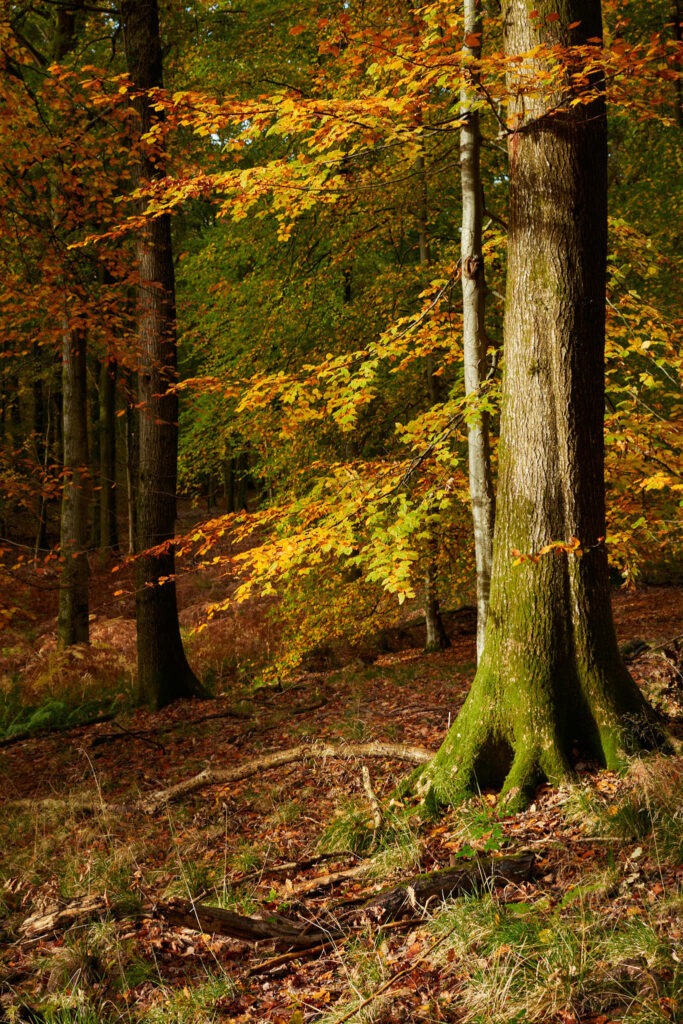
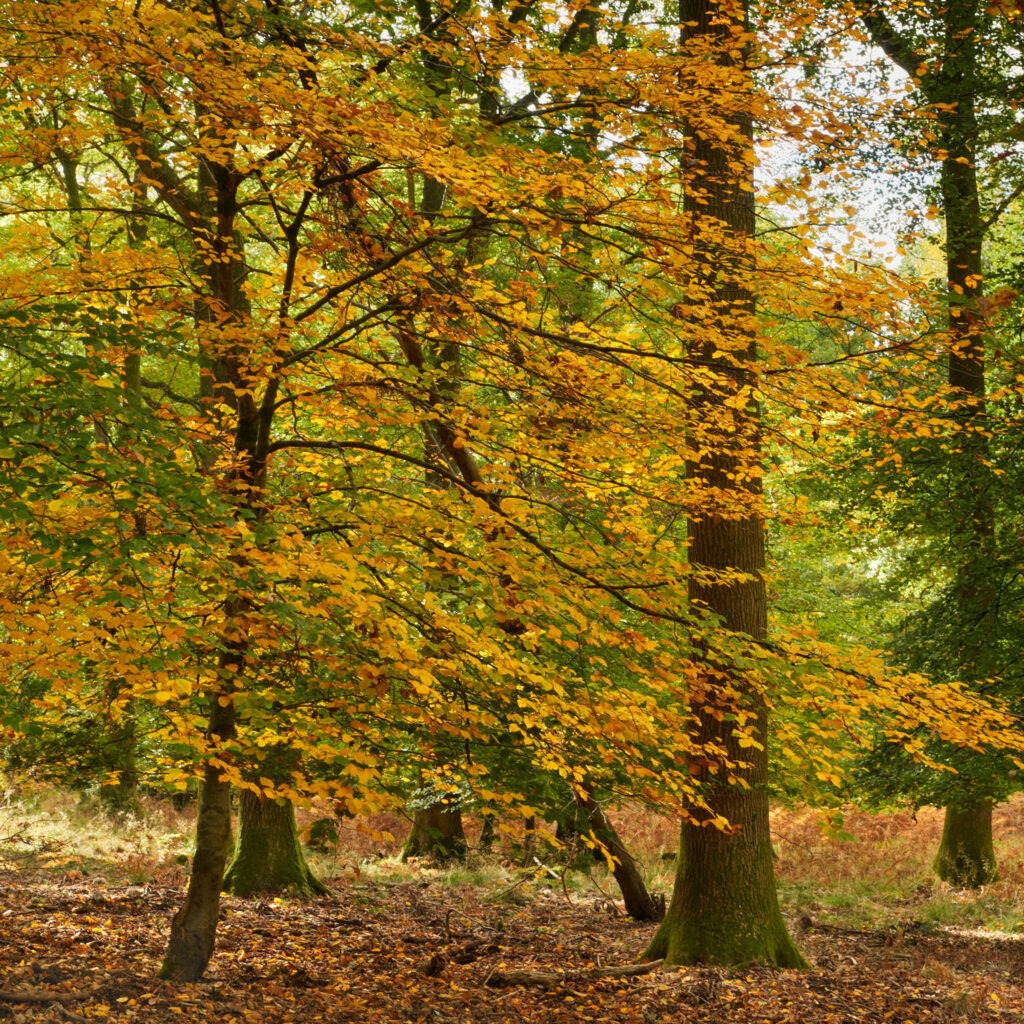
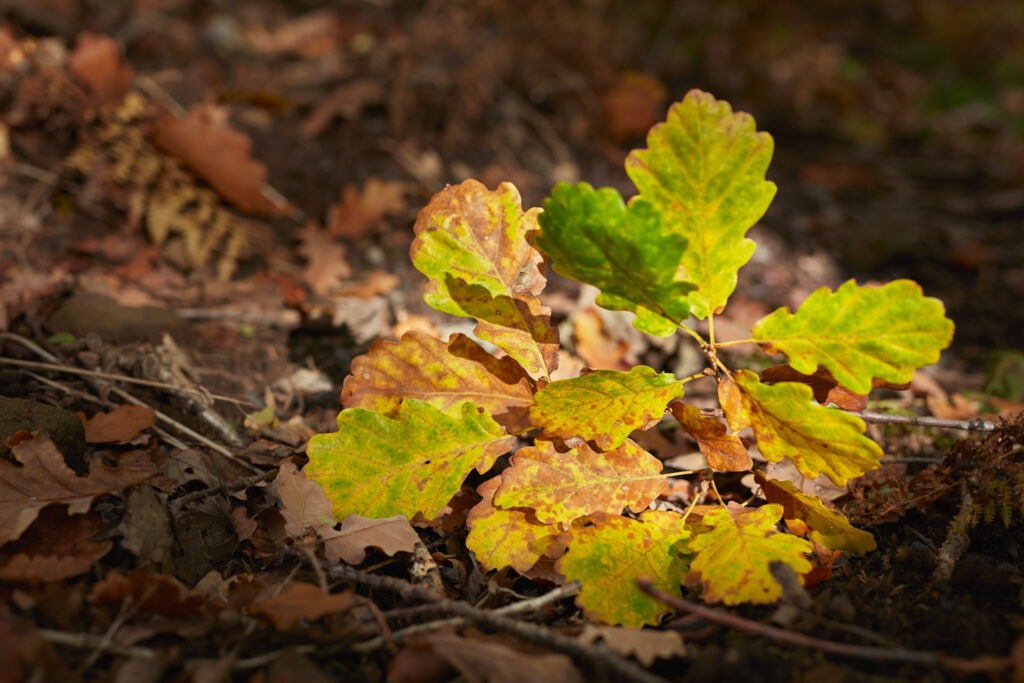
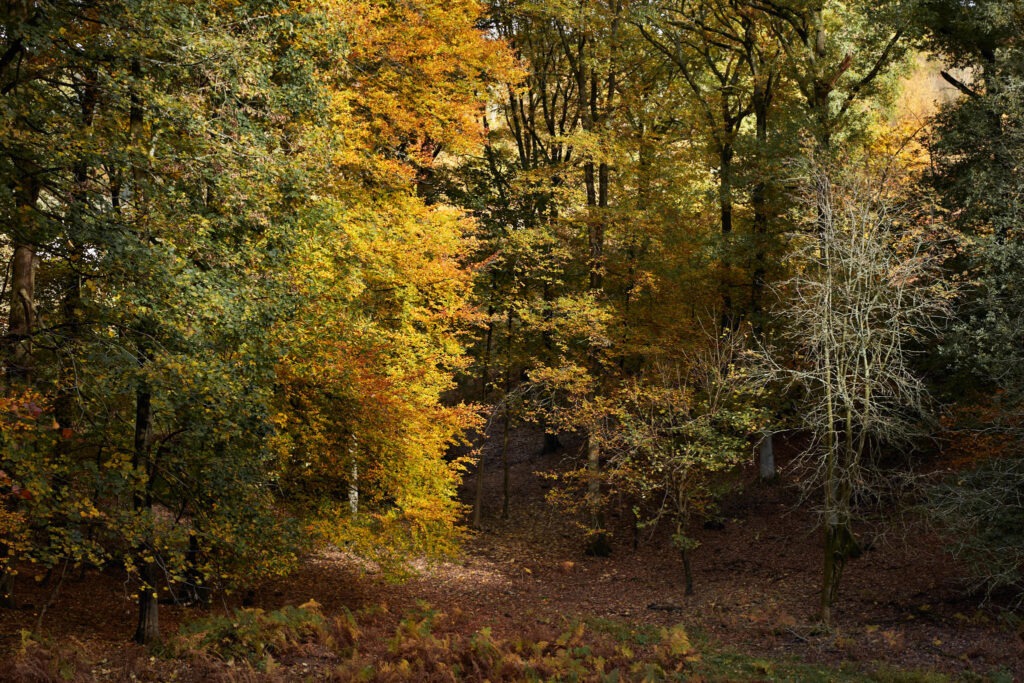
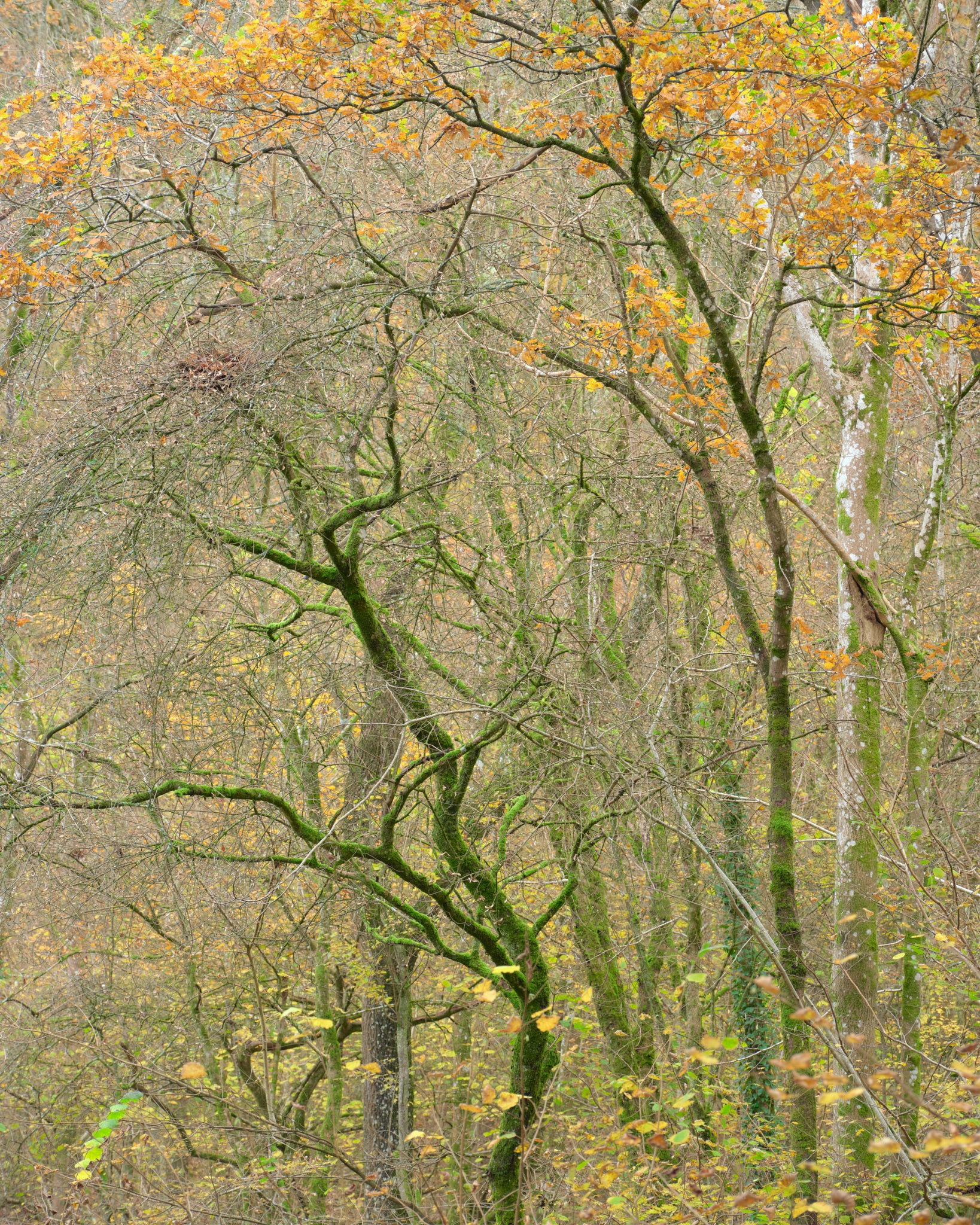
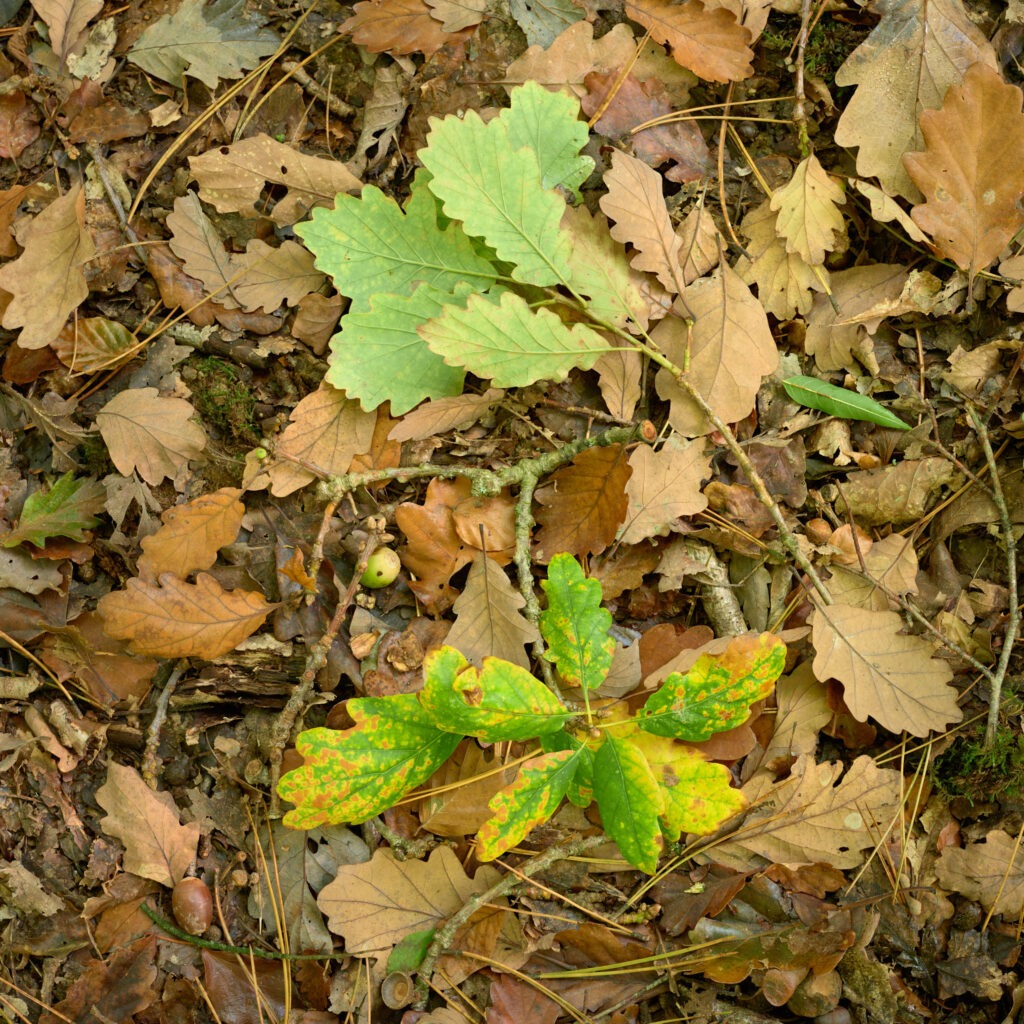
    Here in the UK South West the trees started to turn in early October but there was really no noticeable mass change until the second week of November and after a few chilly nights and windy days. Afterwards the rate at which leaves changed from green through yellow, gold to brown seemed to increase and by the fourth week of November, Autumn was pretty much over. This change is clearly noticeable in the photographs I’ve chosen to include with this post. Those made first, fallen leaves on the ground, were made on 15th October and the last, named “Burnt Wood No. 1” – located near the town of Wickwar further to the East – on 22 November.

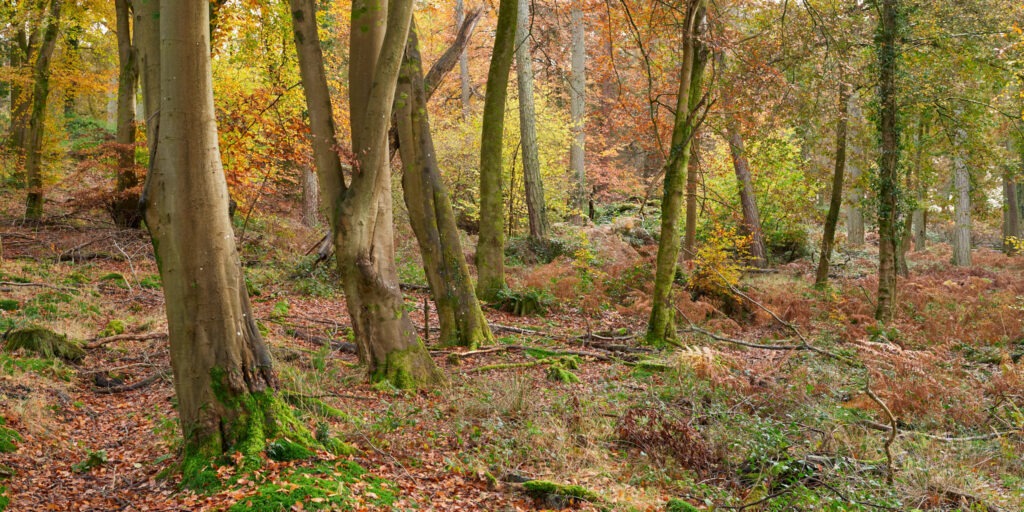
    This year I chose to concentrate mainly on my local forest – The Forest of Dean – rather than flit around too much between different locations. For those not familiar with the forest, Forestry England describe it as “…a historic forest with its origins as a royal forest pre-dating the Norman Conquest of 1066. The Forest has been historically isolated and bypassed, sitting as it does between the Rivers Severn and Wye on the border of England and Wales.”. It is a working forest and, as such, consists mostly of younger, straight trees be those evergreens or deciduous. The deciduous trees clearly make for more colourful Autumn photography and are primarily Beech with a little Oak, Sweet Chestnut, Ash and Birch.

    Writing this, I find myself again asking why I enjoy being in woodland and why I enjoy making woodland photographs. It’s a very hard question to answer as it’s more ‘feeling’ than something easily placed into words. I do know however, that I find woodland relaxing, calming and peaceful. There is something about the enveloping sounds, colours and life-stories. It often feels like the passing of time slows and with it an awareness of surrounding increases. Move slowly and quietly and after just a short while it’s as if the forest accepts a visitor and carries on around you. Stood still, making a photograph you notice the rustling of leaves as air moves through the trees; squirrels frenetically preparing for an approaching Winter, birds moving in the trees even beatles, ants and other small bugs crawling around on the forest floor. Occasionally deer will appear through the trees, stood still and watching, before bounding away. I’ve yet to see the boar but evidence in the form of disturbed ground is all around. The place is alive! Compelling too is the idea that a forest is a record of time, of the past, present and the future. The forest floor is the canvas on which time is recorded. It is layered with tree stumps, fallen/broken branches, leaves of Autumn’s past and saplings which in-time will become trees.

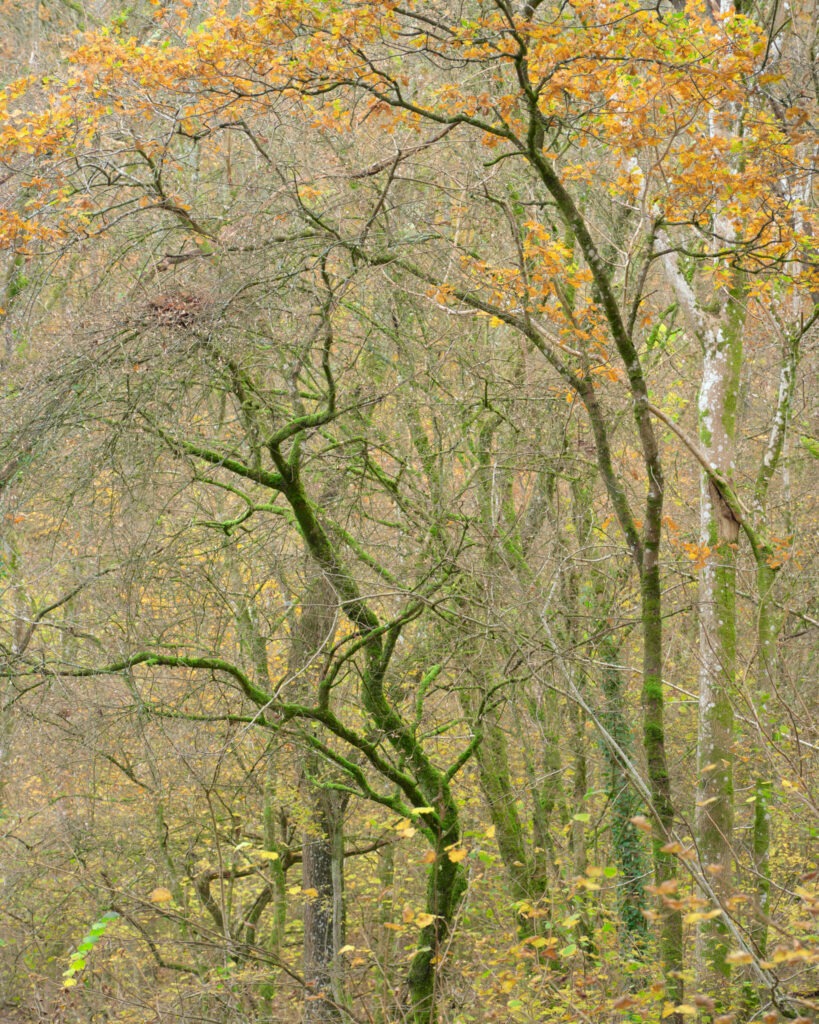
    From a photography perspective woodland, including forests, are chaotic, hard to photograph places. The techniques required are common to photography generally, especially Landscape, but I believe observation especially important as it’s foundational to identifying compositions in messy woodland environments. Given messy environments, simplification usually leads to better results. Sometimes finding simplification means looking down, as in leaves on the ground, or finding contrasts in shape, light or texture – ‘Burnt Wood No. 1’.

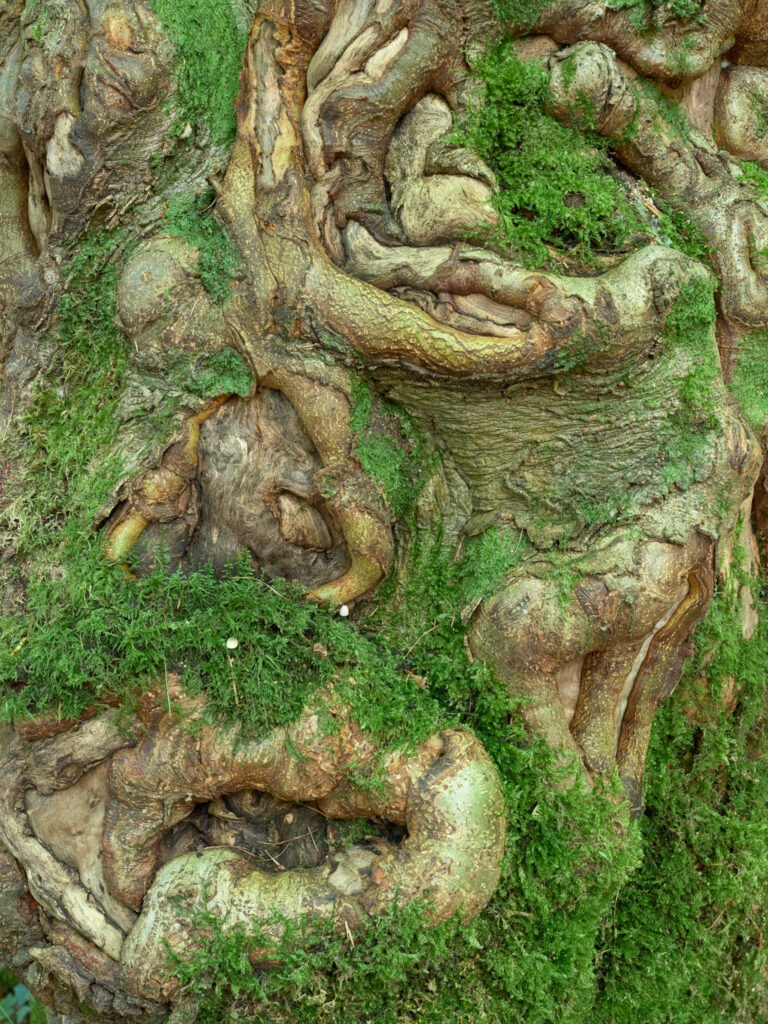
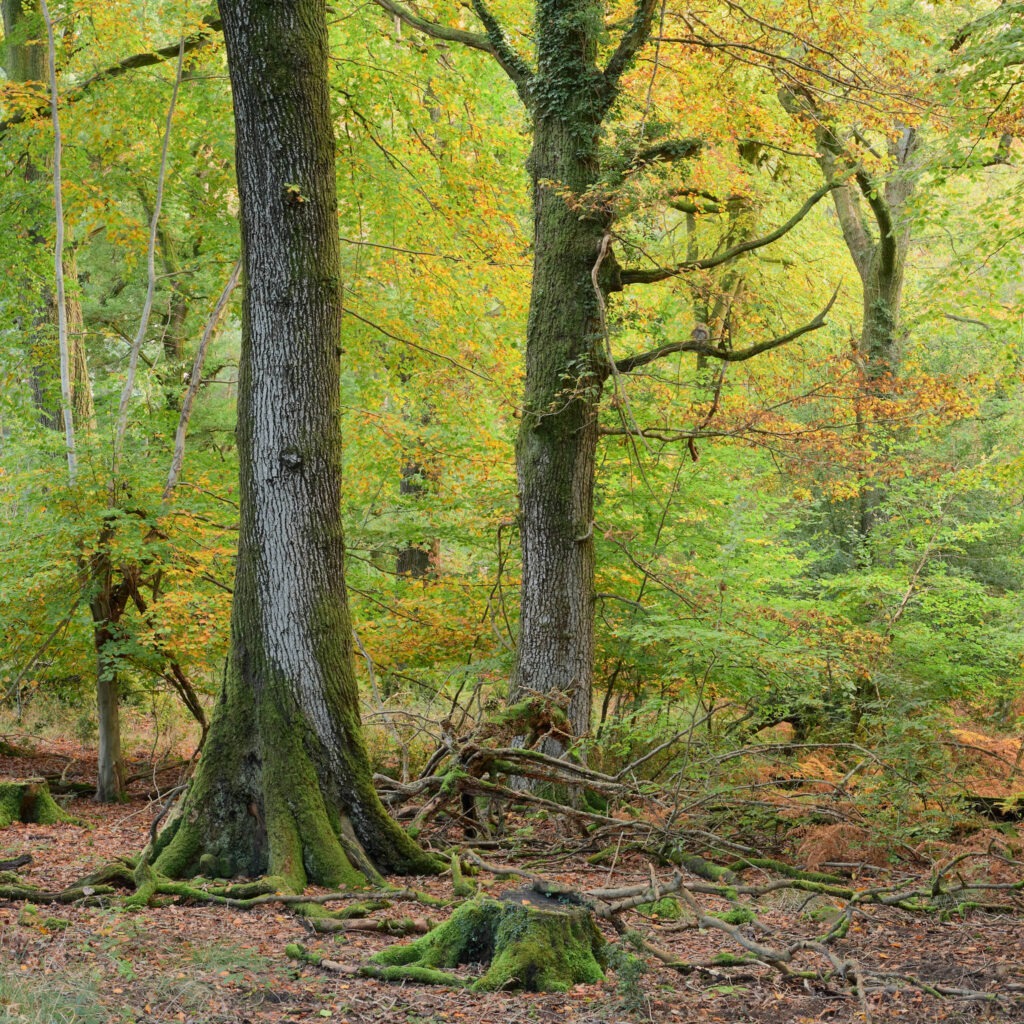
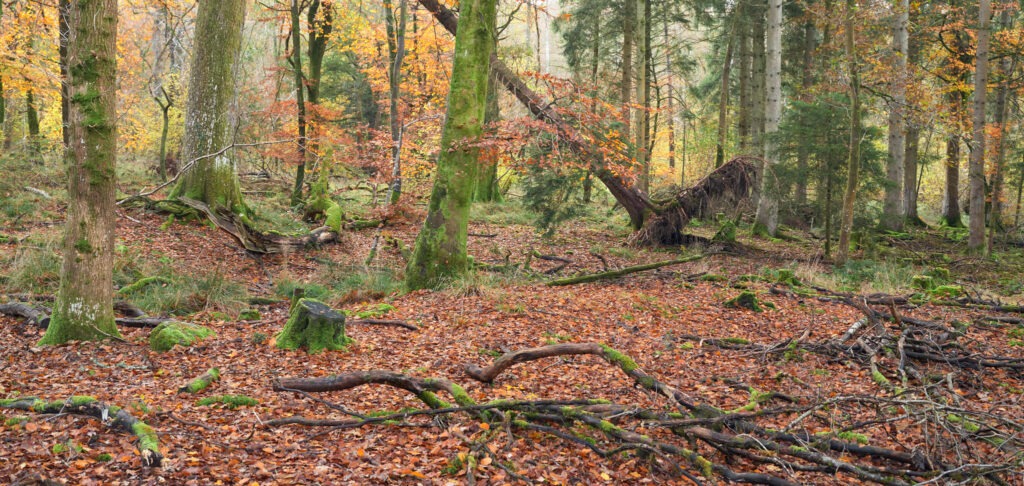
    ‘Beechenhurst Inclosure No. 3’ is one of my favourites from this Autumn. It was made early in the season so everything is still quite green but I feel it encapsulates that feeling of ‘forest’ discussed above. It includes the messiness in a controlled way and the life-story of old and new in the forest. Next Autumn it may look quite different with further new growth and decay. It will be interesting to return. I feel I must mention ‘Face in the Tree’ as it was a total surprise and lucky find; It was also huge fun making the photograph! Whilst slowly walking through the forest looking for compositions I spotted what immediately stuck me as a face low down on a trunk. It struck me as so realistic that I actually checked someone hadn’t done it on purpose! It certainly showed no signs of being nothing more than natural in origin. The eyes, nose, mouth and cheek bone were so clear!

    Andy

  • Autumn Gold

    Autumn Gold

    After the doldrums of Summer and its seemingly endless days we have the shorter, cooler and sometimes annoyingly wetter days of Autumn. It’s not just the time when nature again bursts into colour but the change also heralds a return to more variable weather. And here in the UK that equates to a more interesting time for landscape photography.

    Now, if I’m honest I find Autumnal photography difficult. Partially as the weather can’t make up its mind what it should be doing, it can be very changeable, but also because I just never seem to be in the right place at the right time to capture those iconic Autumn landscapes that others seem to find so easily. This year I am more minded than ever that Autumn photography or to be a little more precise, Autumn woodland photography is hard and its really important to know of nearby locations.

    Now, I like my work to be original; I like to avoid repeating what others have done. Yes, sometimes I have taken that classic but I’ve always tried to do something a little different and to not copy. So, whilst I know that arboretums around the country will have wonderfully colourful Maples I just don’t want to photograph what someone else has done that day, the day before and so on. Any quick look on social media will find literally hundreds of near identical photographs of the same tree from the same position. I need something more original, something a bit more wild! To me photographing at an arboretum feels…well, how I imagine a wildlife photographer would feel photographing big cats and elephants at a zoo rather than in the wilds of Kenya. I am merely expressing that we, as photographers, need to be cognisant that whilst a local arboretum visit may be quick, easy and result in wonderfully colourful images they are unlikely to be original.

    Sticks and Trees
    Sticks and Trees

    So, avoiding the temptation of arboretums, I made a concerted effort this year to explore somewhere not far away, somewhere I really should know much, much better. The Forest of Dean is about 15 miles away and sits between Chepstow and Ross-on-Wye on the Western side of the river Severn. I’ve been a few times before without success; I always seem to be in dense forest separated by forestry tracks where one can’t get enough distance from a subject and the ground is dark and uninteresting. So this year I started by thinking carefully about why previous trips hadn’t worked and what I could do better. Pretty soon it dawned on me that you have to find the right type of trees! Boom, there you have it!

    Maps by the Ordnance Survey identify three different types of woodland: Coniferous wood, Mixed wood and Non-coniferous wood. It’s the latter two which will have nice colourful trees. Obvious really! Those little tree symbols are not just randomly placed on the map either…their spacing can be used to infer the density of the woodland and woodland that isn’t too dense is better I think. 😉 Depending on the age of the map it’s quite possible that what’s actually there and growing doesn’t match the map tho. This risk can be partially mitigated by using recent mapping and cross-checking with satellite imagery tools like Google Earth. But I don’t think you can be sure until you have boots on the ground!

    The result of better preparation, was that with the exception of one, all the area’s visited were much more suitable and even had the right type of trees!

    Rooted, Tall trees
    Rooted, Tall trees

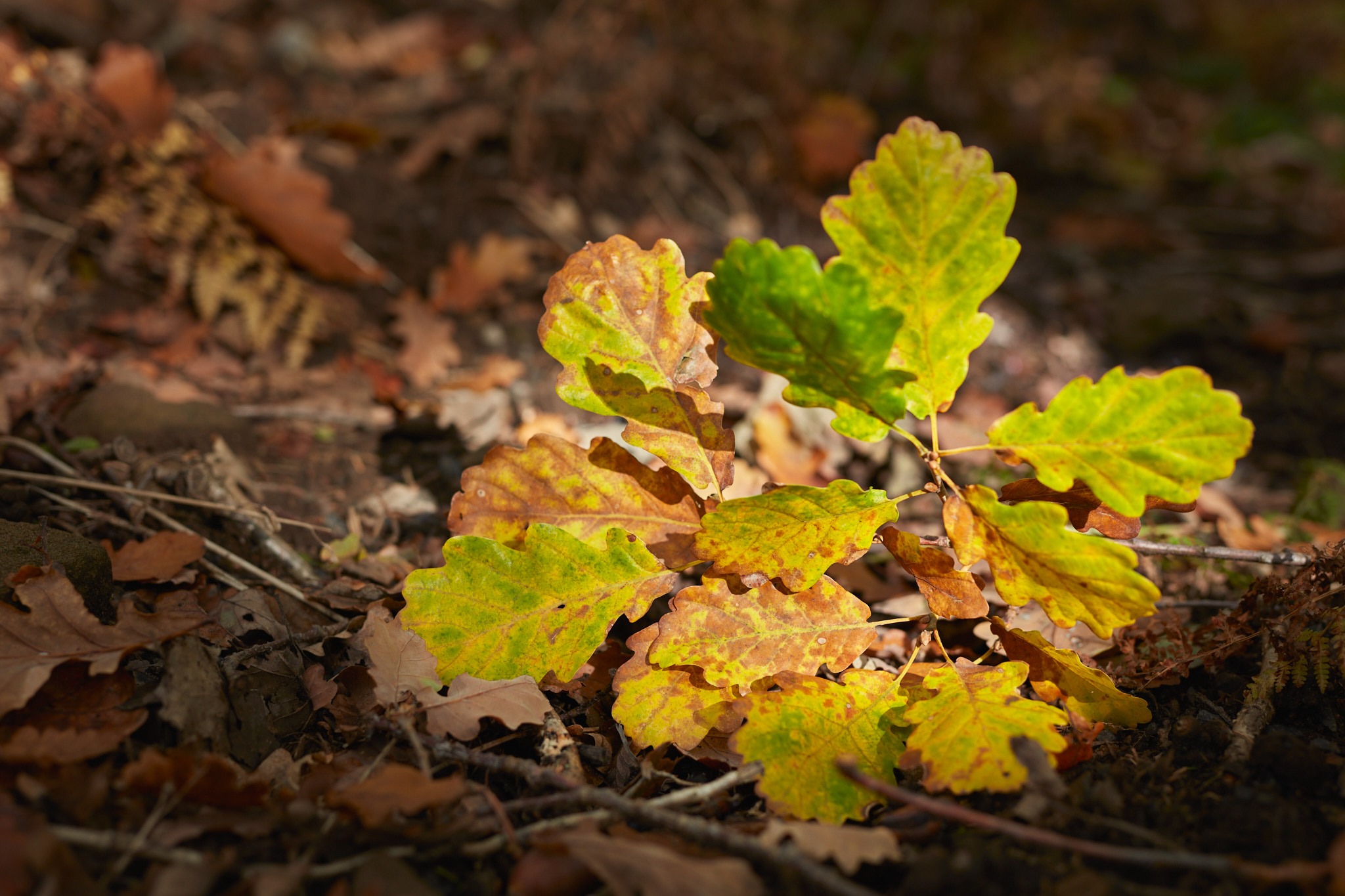
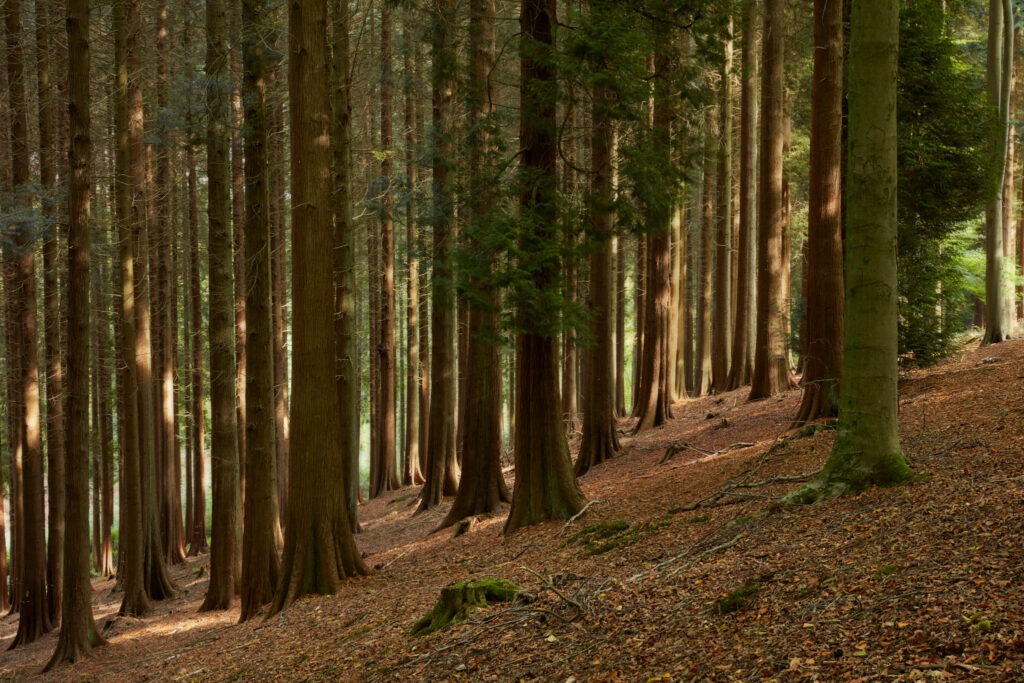
    Still, significant exploration was required at each location but the more I explored the more positive I felt and the more I started to see the landscape around me differently. One afternoon I walked to the top of a rise to find a group of uniformly tall, straight trees and the sun streaming in from the side. It was a lovely scene (above). I also found I was seeing the smaller, intimate, landscapes such as the Oak Leaves (top) which were briefly lit by a shaft of sunlight.

    In many places, the forest floor was also interesting and very different to that seen in previous years. It was almost as if the soils had been turned and separated. The ground was pleasant to walk on; it was soft and, well, spongy! In places the fallen branches and sticks where pushed together into what might be described as clusters or groups. It was not orderly enough to be the work of man but something appeared to be lowering the entropy of the forest floor. The area is known for its wild boar and I just wonder if it was them rooting through the soil, pushing sticks aside etc. I never did hear or see any boar tho. 🙁

    The Forest of Dean aka The Forest covers a large area and I visited less than a handful of locations this Autumn, some locations a couple of times. The work to identify further locations can be done throughout the year, perhaps in the summer months when things are traditionally quiet. So, roll on Autumn 2021. I know where you are and I’ll be back 🙂

    Below are eight photographs from the Forest of Dean this Autumn. Click on an image for a larger version.


    All images are Copyright Andy Gawthrope Photography

    Andy