Author: Andy Gawthrope

  • The Yorkshire Dales

    The Yorkshire Dales

    Earlier this year I spent a week in the Yorkshire Dales and it turned out pretty challenging!

    It’s not somewhere I’ve photographed before but I have been there climbing and so had a vague knowledge of the area. Considerable advance research was still needed, if only to identify a good location to stay! Such research is always hard, no amount of looking at maps, Google Street View etc can surpass actually visiting an area. I normally prioritise the review of maps to assess topography and sun rise/set angles over looking at images and photographs captured by others. This, I hope, puts me on a road to identifying new places and photographs whilst not being unduly influenced by what others have done before.

    My research identified a number of places towards the Southern Dales but also some to the North and East thus it made sense to find accommodation somewhere central. This led me to the lovely Stone House hotel just on the North side of Hawes. Unfortunately, the English weather didn’t cooperate; the skies were either cloudy or clear. On one afternoon I scouted an angle on the Ribblehead viaduct, got there for for sunrise the next day only to get drenched as very heavy rain showers came rolling down the valley. ๐Ÿ™

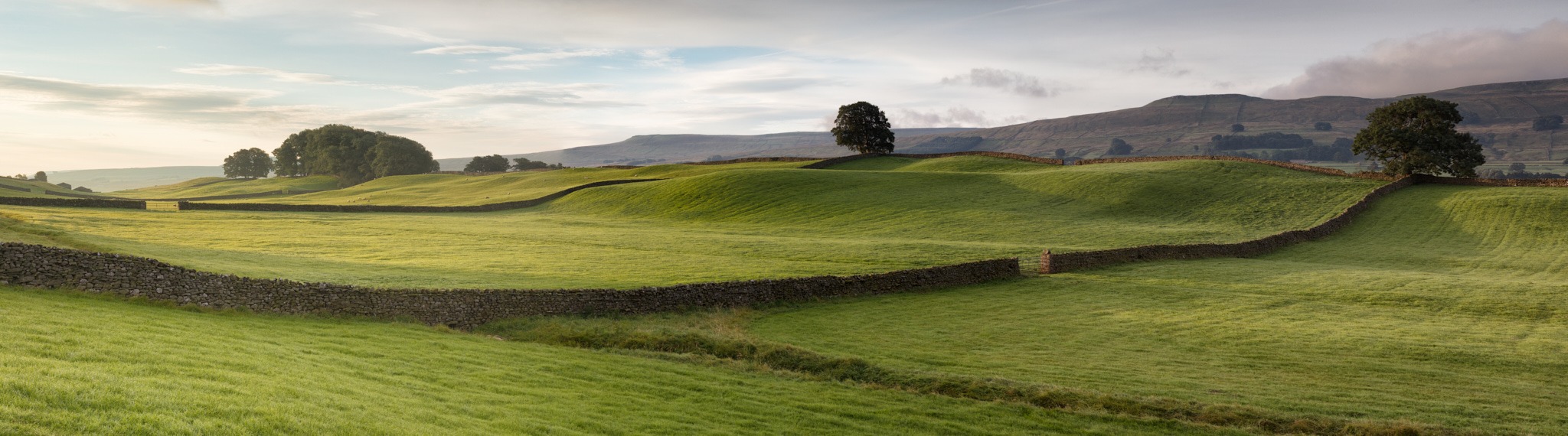
    One of the things I like to do when the weather is poor is to explore the area, scouting new locations to which I can return when the weather improves. I did lots of that! Maybe, I didn’t see the Dales at their best, but I found it a photographically hard area. The lower-level land is farmland and in active use by livestock. Keeping that livestock in-place are high – perhaps 7 foot – dry stone walls topped with barbed wire. For the livestock it must seem like a prison but it also severely constrained photographic opportunities! It was this lower-level land that had the trees and other interesting features but it seemed very difficult to find good vantage points. In total contrast, the higher-level land was rolling moorland covered in pretty pink/purple heather and not much else! OK, slight exaggeration!

    So after a week what did I have? Well, the honest answer is not a lot ๐Ÿ™ But that’s what this landscape game is about ๐Ÿ™‚

    Andy

  • Hilltop farm – The Yorkshire Dales

    Hilltop farm – The Yorkshire Dales

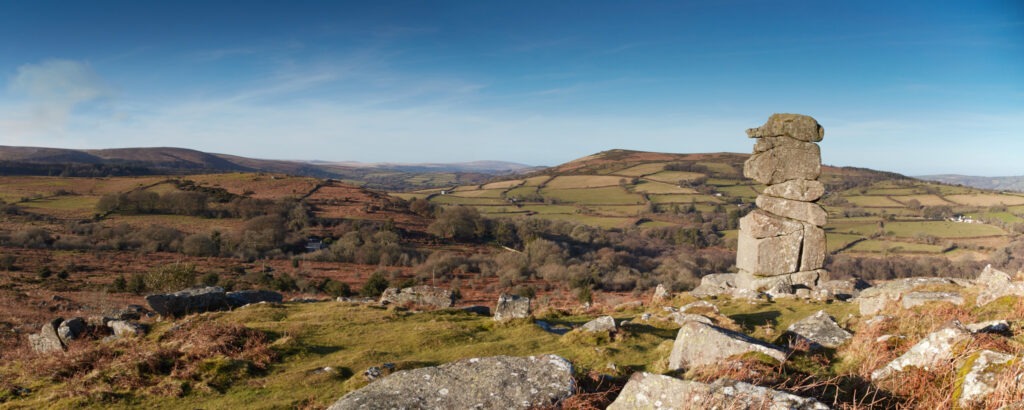
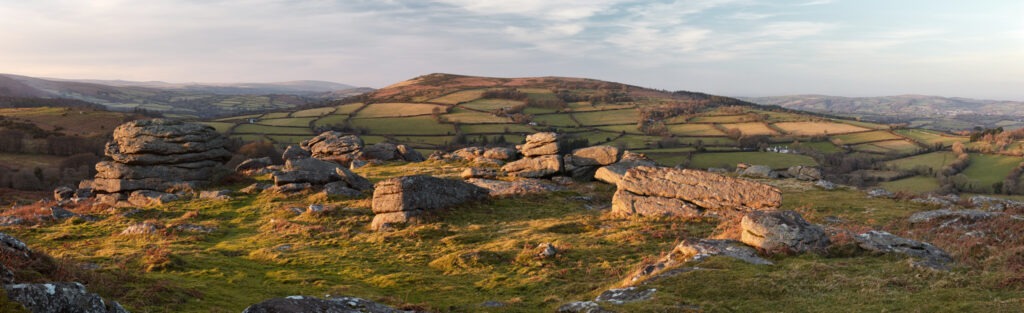
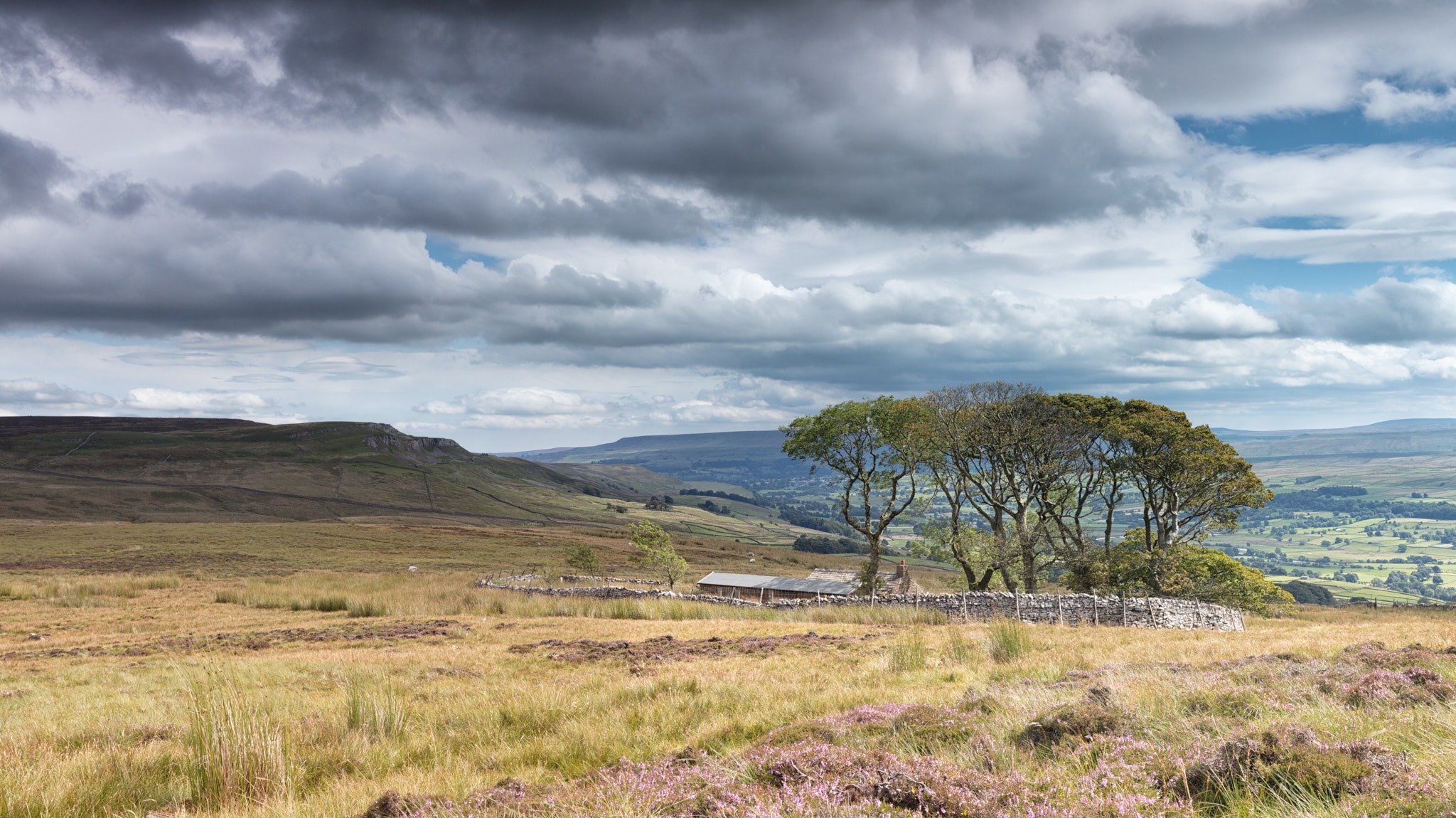
    After my previous post, I thought I’d share another photograph from the Yorkshire Dales trip earlier this year. Compare it with the photograph in the previous post and the differences between the high moorland and the lower-level stone walled fields are stark.

    Looking at my work over the last year I’m seeing a trend towards more panoramic and square format landscapes. I find this trend interesting. It seems to have started quite unconsciously, grown and is now something I really like! Each panoramic photograph is the result of merging 2 – 5 normal sized images. Thus the resulting photograph can be large both in print and binary file size. Processing these large images does take noticeably longer and more compute resource. A recent image from Dartmoor consisted of 5 x normal sized images – that’s 250M pixel! Just for comparison, the new iPhone X has a 12M pixel camera. Rock on ๐Ÿ™‚

    With this trend towards panoramic’s I’ve also noticed I’m using wide-angle lenses less as features become too small. My go to lens is now a standard lens (50mm) as it gives that little bit of magnification.

    But large photographs really need to be seen full-size but therein lies a problem. So much detail is lost when they are shrunk to fit social media and small screened computers such as laptops. Such a shame ๐Ÿ™

    Andy

  • Rocks near Haytor, Dartmoor

    Rocks near Haytor, Dartmoor

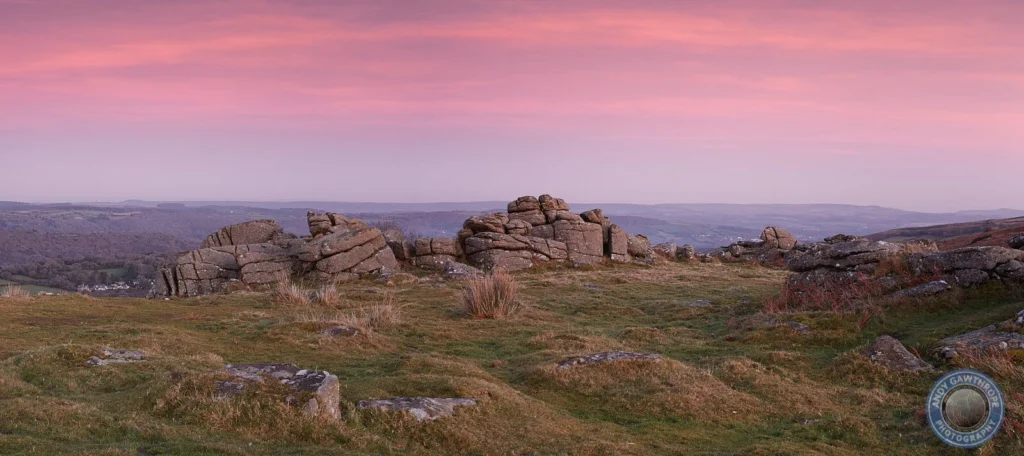
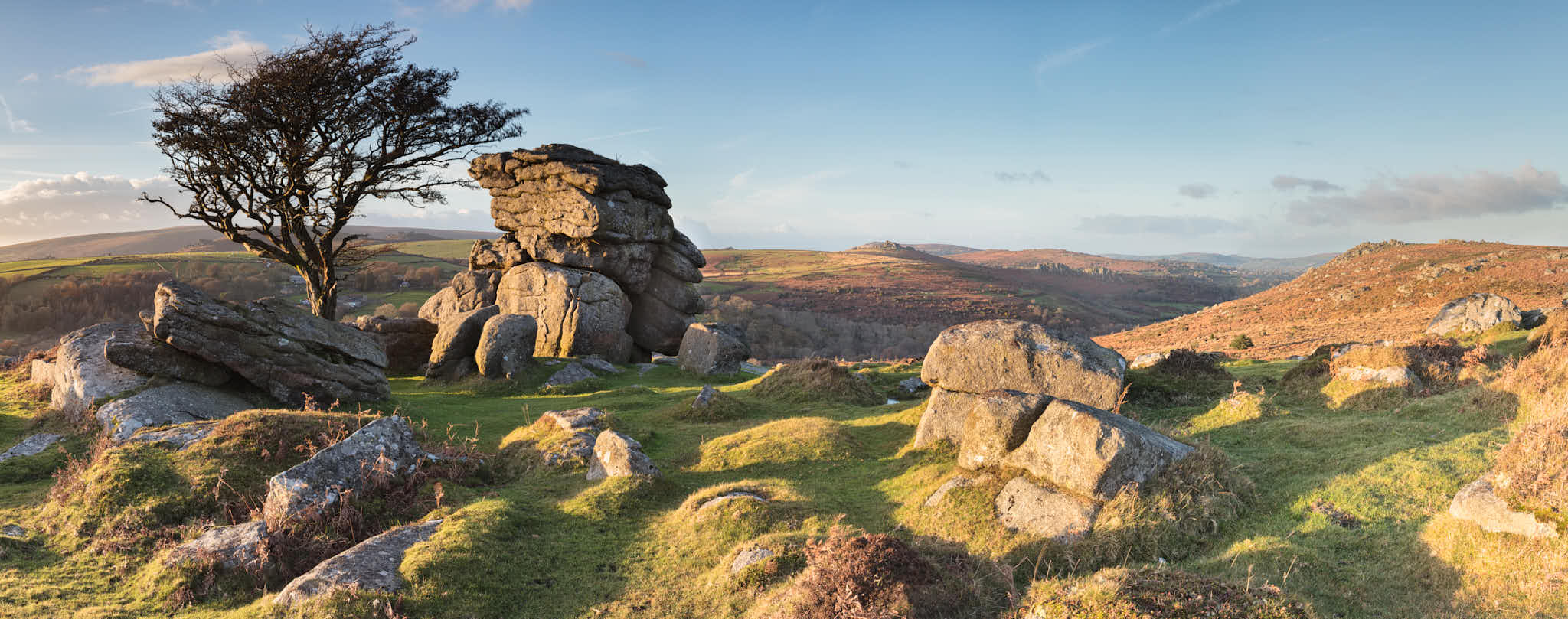
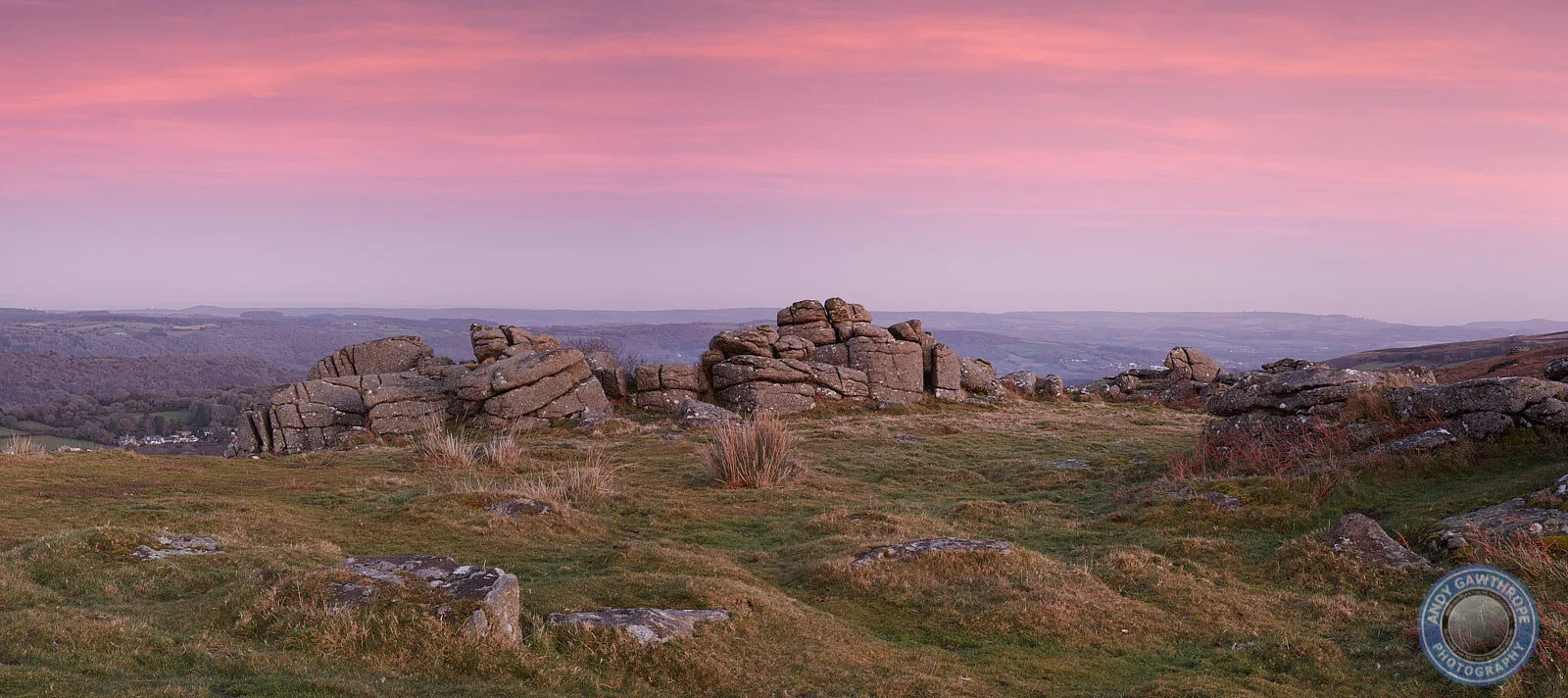
    Continuing with the previous thread about panoramic format photographs here is another. Perhaps not so large, this was only 3 x 50M pixel un-cropped!

    Looking at this image you could be forgiven for thinking it was a warm summers evening. How wrong that would be! I took this only recently (November 2017). There was a 20 to 25MPH wind blowing, the air temperature was about 3 degrees Celsius and the afternoon had been pretty much dominated by very heavy dark clouds and rain showers. Basically it felt like a couple of degrees below 0 Celsius. Chilly when you are stood pretty still for over an hour! ๐Ÿ™‚

    Haytor is one of the famous Dartmoor tors. I’ve spent time in its vicinity before but never been happy with the results. This time I walked away from the tor to the West just exploring the landscape looking for nice compositions. On one occasion I had to shelter out of the wind as a heavy rain shower passed through. That rain must have been almost frozen as it really hit hard and stung the face. Most unpleasant! After some distance I spotted this tree which I felt contrasted nicely against the rocky tor. I stayed at this location until after sunset shooting images of the surrounding area but this turned out best due to a the rookie mistake of not ensuring the camera was absolutely still in the buffeting wind. Lesson re-learnt ๐Ÿ™

    I must admit to being surprised when another photographer arrived and then another just before sunset. Having three photographers converge at a random location on Dartmoor must be pretty unusual. But maybe I stumbled on something more well knownโ€ฆ

    Andy

  • Clevedon pier sunset

    Clevedon pier sunset

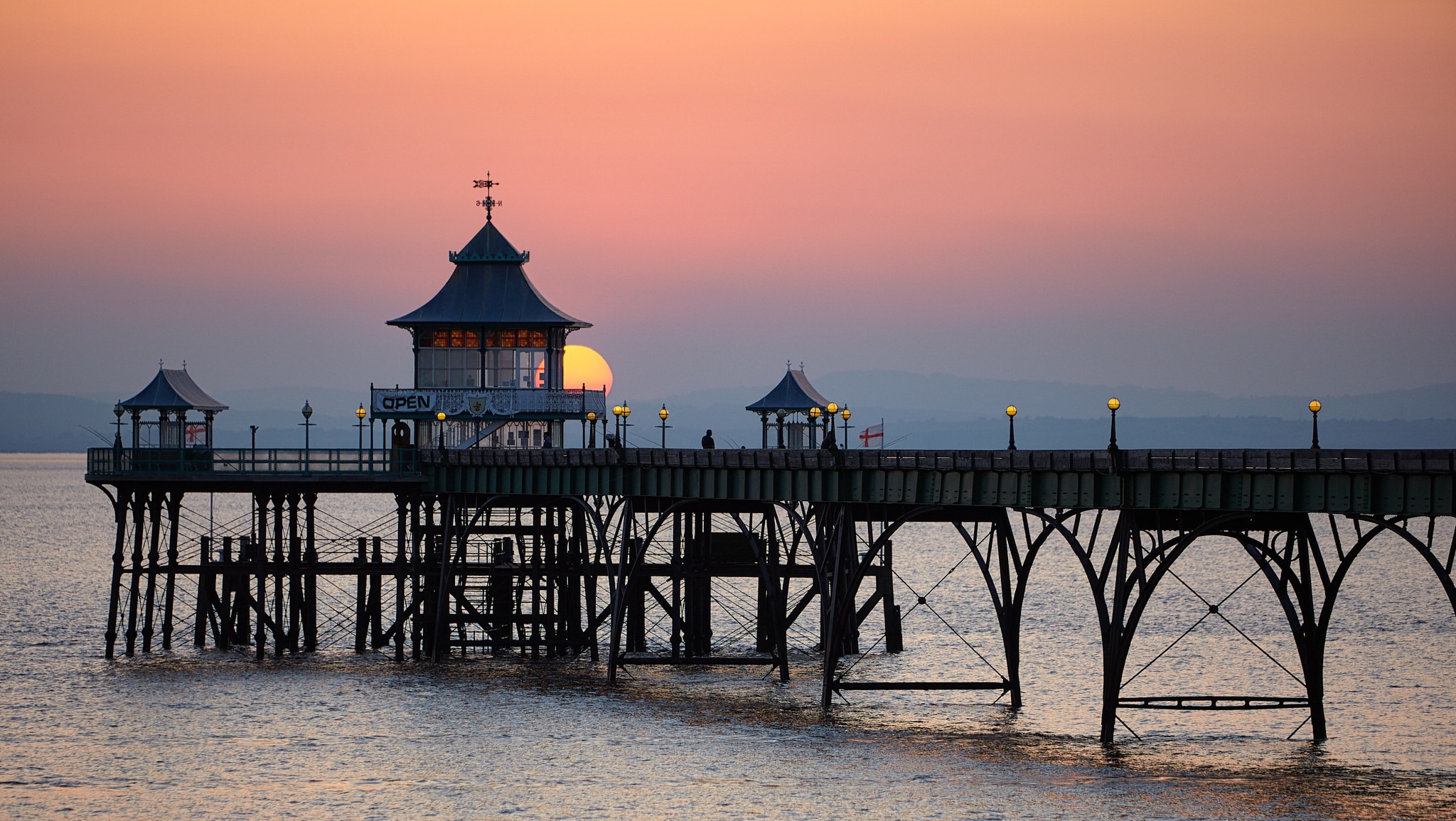
    Sometimes photography is essentially luck.  And this photograph is just that ๐Ÿ™‚  I had set-out from home earlier in the day with the specific intention of exploring the coast just South of Bristol.  I was aware of a pier having seen ‘pier’ on a map but had no intention of going to Clevedon let alone photographing the pier at sunset.  But at the end of the day I found myself on the beach then the promenade just as the sun was setting.  The photograph says the rest!

    The sky is wonderful, but I really like the orange ball of the sun and the way it can be seen through the windows of the pier. ๐Ÿ™‚

  • Puffins

    Puffins

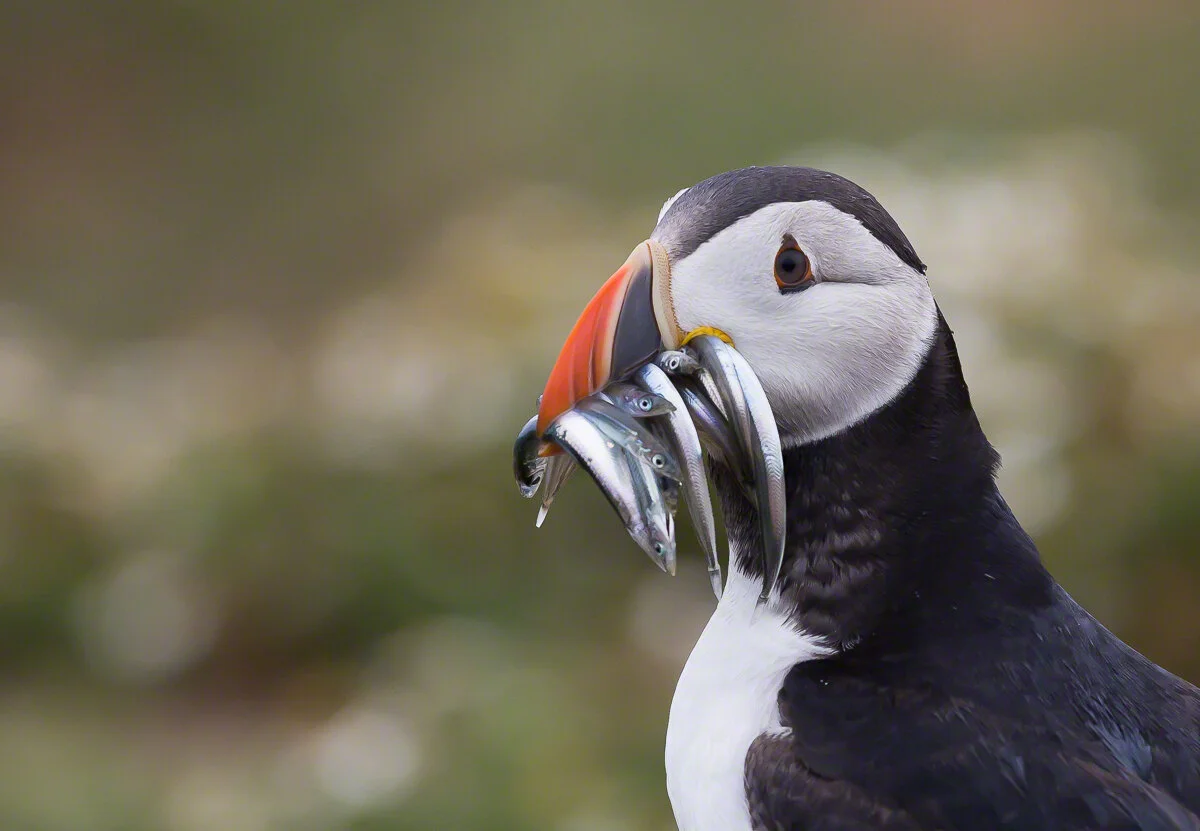
    Puffins are such cute things!  I’m writing this from a hotel bar in Lerwick, Shetland whilst waiting on some light for costal landscapes.  Now, I associate Shetland with ponies and hand-knitted woollen jumpers.  Not with Puffins!  Anyhow, they are clearly a tourist attraction and the local shops are filled with them. No, not real ones, but photo books, pictures and little knitted woollen ones!  I guess tourists fresh off the tour ships that dock in Lerwick will buy anything!

    These images are not from Shetland but from another part of the world that has lots of puffins – Skomer Island off the West coast of Pembrokeshire. The Skomer puffin chicks must mature slightly ahead of their Northern cousins as they usually depart the nest about a month earlier in July.

    Puffins are about 6 to 10 inches high and a mix of black and grey, almost white, feathers but as they nest underground their feathers can often be coated in an earthy muddy brown.  Puffins, unlike all other flying birds I know, are not bothered by the presence of humans.  They will stop and look at you, perhaps come and have a closer look and then walk past just inches away before taking to the air.  But if they are returning to their nest with food they are very nervous things indeed, looking to get underground as quickly as possible and before they are attacked by other birds seeking to snatch their catch of fresh sand eels.

    Puffin in flowers
    Puffin in flowers

    So, to photograph puffins on the ground a big lens is not required.  In fact a 70-200mm does just fine; it also helps to have something even shorter – a 50mm perhaps ๐Ÿ™‚ Whatever the lens tho, it really helps if it has a wide aperture, something like f2.8 or better.  This helps blur backgrounds and keeps the puffin as the centre of attention.  They watch the sky far more intently than any surrounding humans and in doing so often tilt their heads slightly to the side to gaze up at the sky.  In doing this they place a lovely catch-light in the otherwise dark eye ๐Ÿ™‚  The effect can really help make a picture pop. ๐Ÿ™‚

    If you like to photograph wildlife and haven’t been to Skomer, Farne Islands or the Shetland Islands, then what are you waiting for?  Late Spring to Summer is the time to go ๐Ÿ™‚

  • Buttermere dawn

    Buttermere dawn

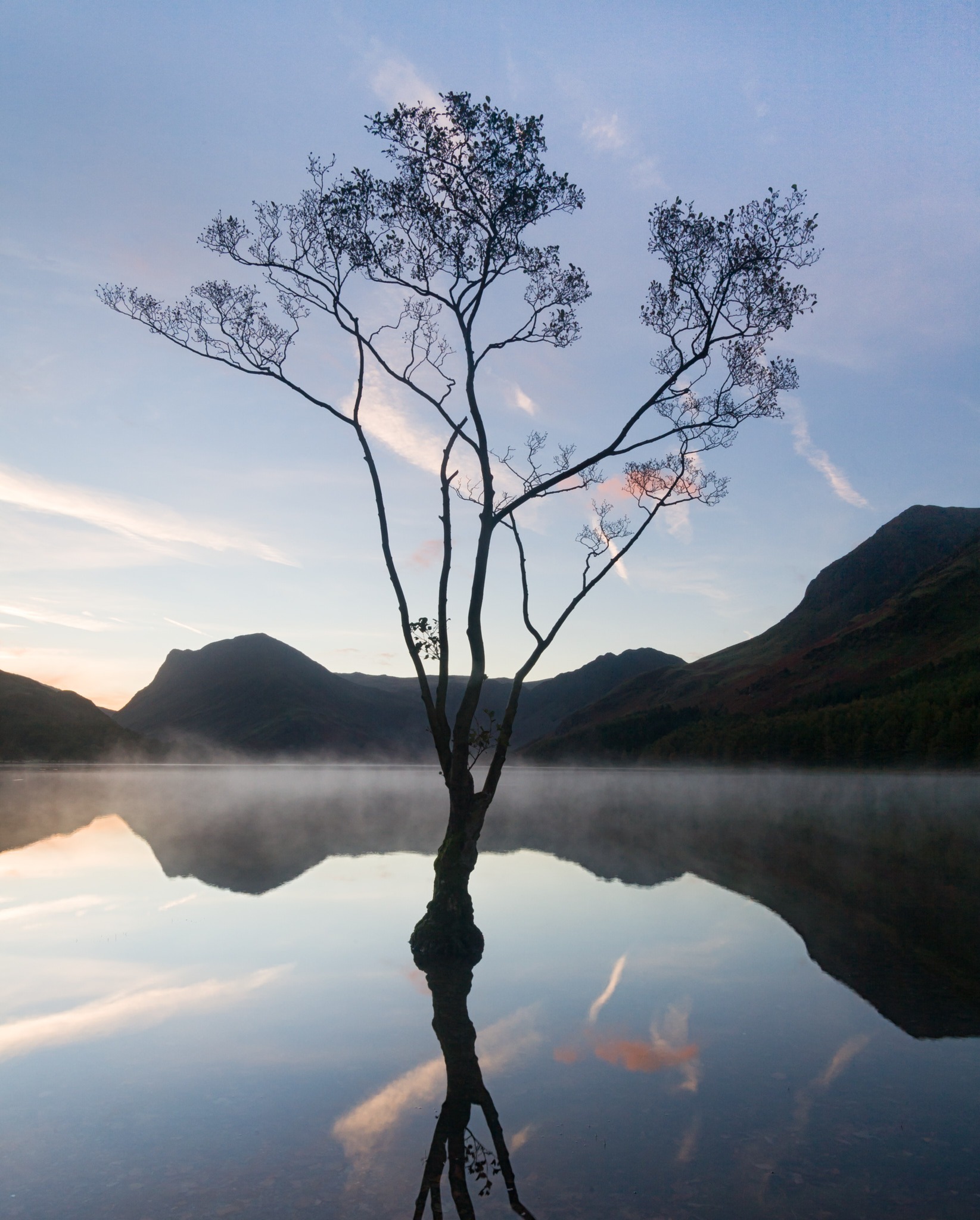
    I had opted to camp in Buttermere behind the Bridge Hotel and awoke to a perfectly still, blue sky morning.  A short walk later and arriving at the lake the water was almost a perfect mirror, reflecting a sky in which the only things visible were the contrails of early morning flights.  The overnight mist still clung to the lake adding an ethereal quality.

    On seeing the tree I knew it had to be central to the photograph but I could also see that a few minutes later the Sun would breach the distant hills and start to stir the air dispersing the mist and disturbing the mirror calm waters.  As the distant hills and the side of the tree facing me where in shade I quickly decided that the photograph would be a silhouette knowing the blue sky would back-light the branches and the leaves revealing an interesting level of detail to the photograph.

    Andy

  • Fidden sunset

    Fidden sunset

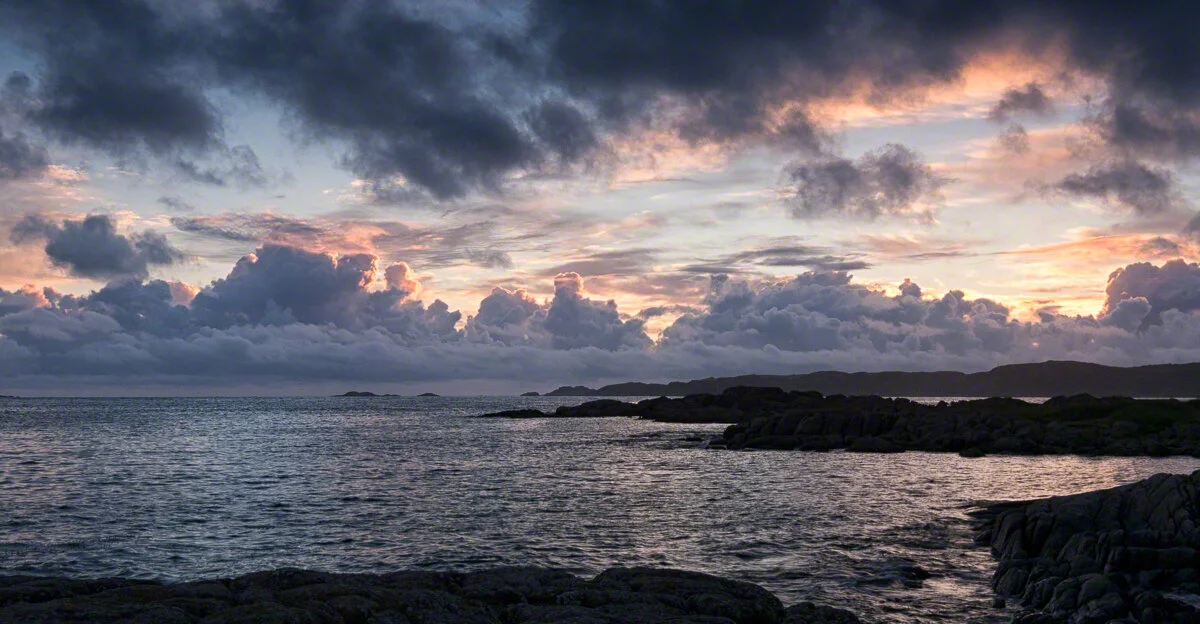
    A few years ago I decided to spend a few days photographing Scottish castles.  Quite why, I cannot now remember but my thinking was probably something like:  I like Scotland; Castles are usually found in nice locations; Castles would make an interesting subject!  This led to some research and the identification of a number of castles, some famous like Eilean Donan and some not so famous.  In selecting castles, somehow the abbey on Iona made it onto the list. ๐Ÿ™‚

    So it transpired that I camped for a few nights just opposite Iona on the Ross of Mull.  The campsite was at a little place called Fidden and its a spot I will never forget as it was stunningly beautiful. It felt remote; it required a ferry journey from Oban and a long drive on single track roads.  At Fidden the coastline faces the setting sun and is a mix of low rocks and white sandy beaches. Its possible to camp next to the sea so there is no travel and little planning involved in photographing sunsets. And the sunsets can be amazing ๐Ÿ™‚

    Iona sunset
    Iona sunset

    In fact, I’d say sunsets from the Scottish islands are some of the best I’ve ever seen. ๐Ÿ™‚  Because of the clean air and the low horizons, the sun bottom-lights the clouds helping to reveal their fine, delicate structures whilst casting them in lovely warm orange and yellows.  Add some thicker clouds and the result is wonderful contrast between the different clouds and a little drama.

    These two photographs were taken from almost the same location at Fidden on different evenings and illustrate the lovely evening light that is so often available. 

  • The Northern Lights

    The Northern Lights

    Some years ago a friend introduced me to the Banff Mountain Film Festival.  The festival tours the world and visits my home town of Bristol in the Spring of each year.  Its an enjoyable selection of short films celebrating the outdoors.  If outdoor adventure and mountain culture is your thing I can heartily recommend going.  One year there was a short film from some guys surfing big waves in the far North at the dead of Winter.  I don’t now have the details of that film but what I do remember is leaving totally inspired to find and visit that place.  A similar short film from the amazing photographer Chris Burkard is on YouTube: WATCH ME.

    That place turned out to be Lofoten, a chain of islands protruding from Norway at 68 Degrees North and earlier this year I had the opportunity to visit.  Compared to the UK, Norway is an expensive country, so to maximise the time available I joined a group led by Tom Mackie.

    I hadn’t seen many photographs of Lofoten up to that time and it really felt like the place was almost virgin photographic material.  Some of that was deliberate as I didn’t want to seed my mind with what others had done before – I wanted to see the place with a freshness.  I guess I was a little disappointed when it turned out that there where many other photographers there too.  Some of the most popular spots where crowded!  But go a little of the track and, yes, there was huge reward for those willing to expend some effort.  Its a place to which I will be returning in the not too distant future. ๐Ÿ˜‰

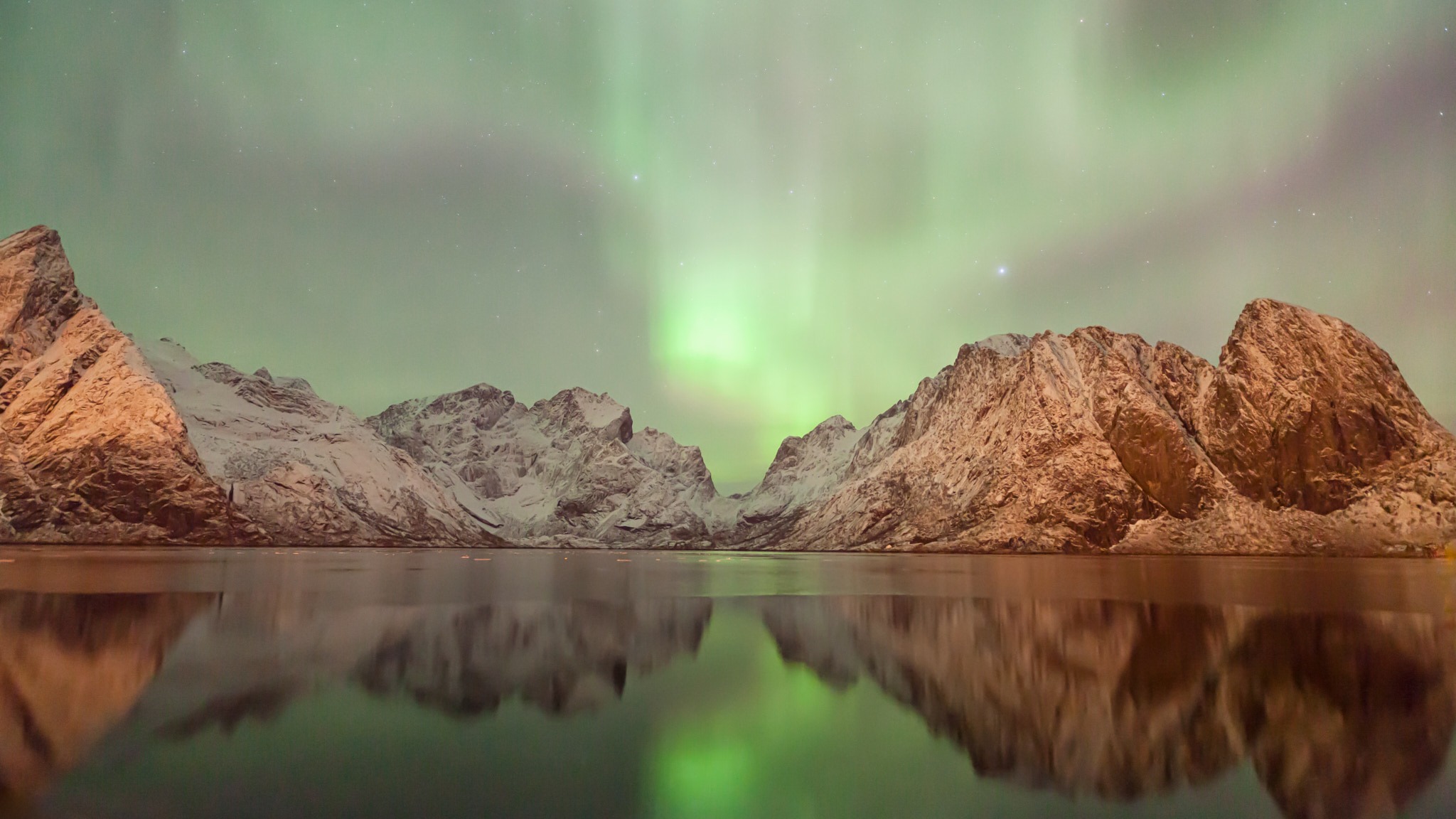
    When planning the trip, I knew the Aurora Borealis (the northern lights) may be visible but it wasn’t at the forefront of my mind.  I’ve had the lucky opportunity to experience the Aurora Australis (the southern lights) on several occasions when I over-wintered at 75 Degrees South in Antarctica.  On that first night, having eaten and being somewhat tired after a days travel, those little particles ejected by the sun slammed into our planets upper atmosphere and put on a light show to welcome our arrival.  That’s what it felt like anyway! ๐Ÿ˜‰    The aurora is a magical experience which everyone should see at least once.  It can’t be easily described, its just something you have to experience.  Its a hugely soul satisfying, calming experience.  The movement of the lights over beautiful landscapes is wonderful.

    Andy

  • Moorland photography

    Moorland photography

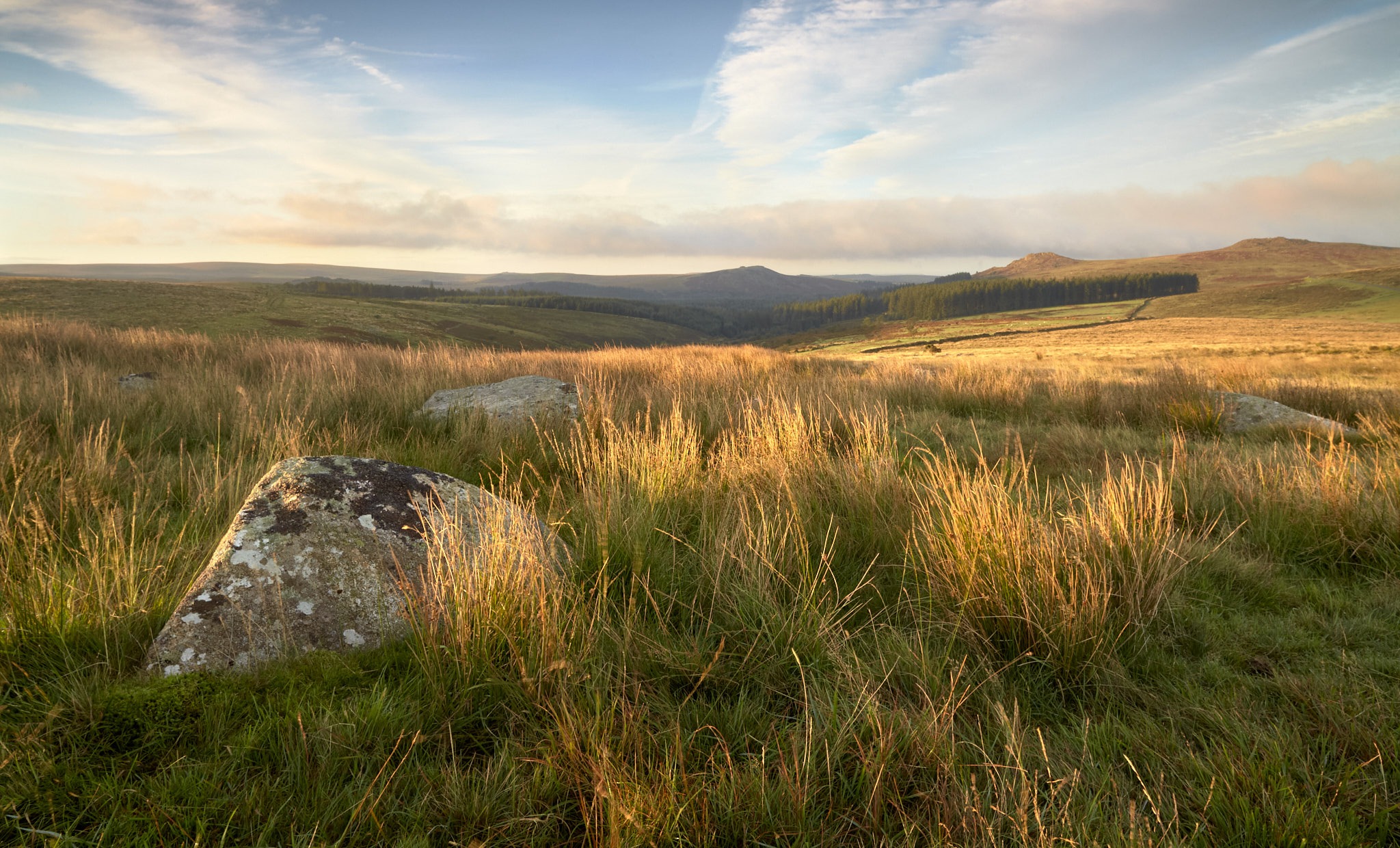
    Black Tor on Dartmoor lies just South of Princetown on the B3212.  It’s not a large Tor, in fact, it’s a rather small, non-descript Tor easily missed as its set back off the road just over the brow of a hill.  It’s on a rise and stands just a little higher than the surrounding landscape so offers some nice views.

    Moorland usually consists of large expanses of similar looking terrain which, without, something to draw the eye results in photographs that are just plain boring ๐Ÿ™‚ Dartmoor is nice in this respect as its peppered with little hills topped with rocky Tors and the occasional forest or large group of trees.

    Moors are often associated with being windy places where the weather changes from sunshine and blue skies to cloud, rain, fog, hail and snow all within a couple of hours.  They are thought of as intimidating and often scary places.  So, people strongly connect to photographs communicating one or more of these characteristics.

    The photograph above is a more subtle, a softer, interpretation of those characteristics.  In it I’ve tried to convey vast open space whilst using the tall grasses and boulders to provide the sense of an exposed, desolate hill top.  Sub-consciously the viewer knows it’s likely to be a windy and cold location. ๐Ÿ˜‰

    Andy

  • Dunraven Bay

    Dunraven Bay

    For some the onset of Winter will be a perfect excuse to hunker down beside a nice warm fire but to the landscape photographer, well, let’s just say we are made of different stuff. Those long, boring blue sky days are gone, replaced with far more dramatic weather that can bring our photography to life. There is nothing like crashing seas, dark threatening clouds, snow or the dramatic lighting that comes from Wintery weather.

    A recent Sunday was forecast to be cloudy in the morning followed by a period of clear sky before wind and heavy rain swept up the Bristol channel arriving around sunset. This forecast sounded promising not due to the period of blue sky and thus sunshine but because of the approaching windy and wet weather! So, just before lunch I set out for a part of the Welsh coast just South of Bridgend as it’s somewhere not too far from home and easily accessible. Leaving home the sky was a thick grey, water laden mass of cloud but on crossing the Prince of Wales bridge from England into Wales it miraculously cleared and I had to reach for the sun glasses! This is rare! It’s normally just the opposite!

    At the coast the sky was still almost entirely clear, the light extremely harsh with strong reflections from the sea, rock pools and every wet rock recently uncovered by the receding tide. The level of glare and contrast was huge. ๐Ÿ™

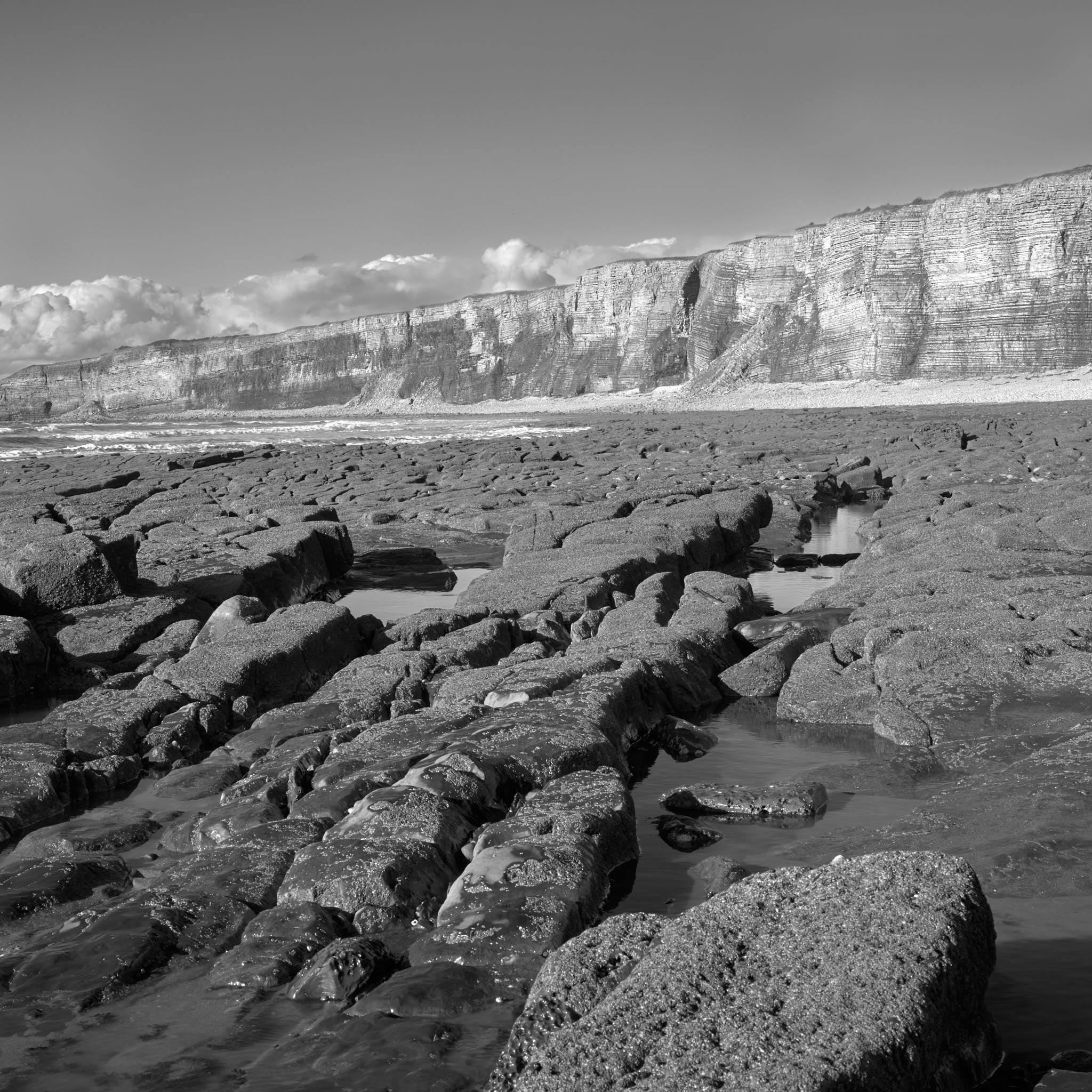
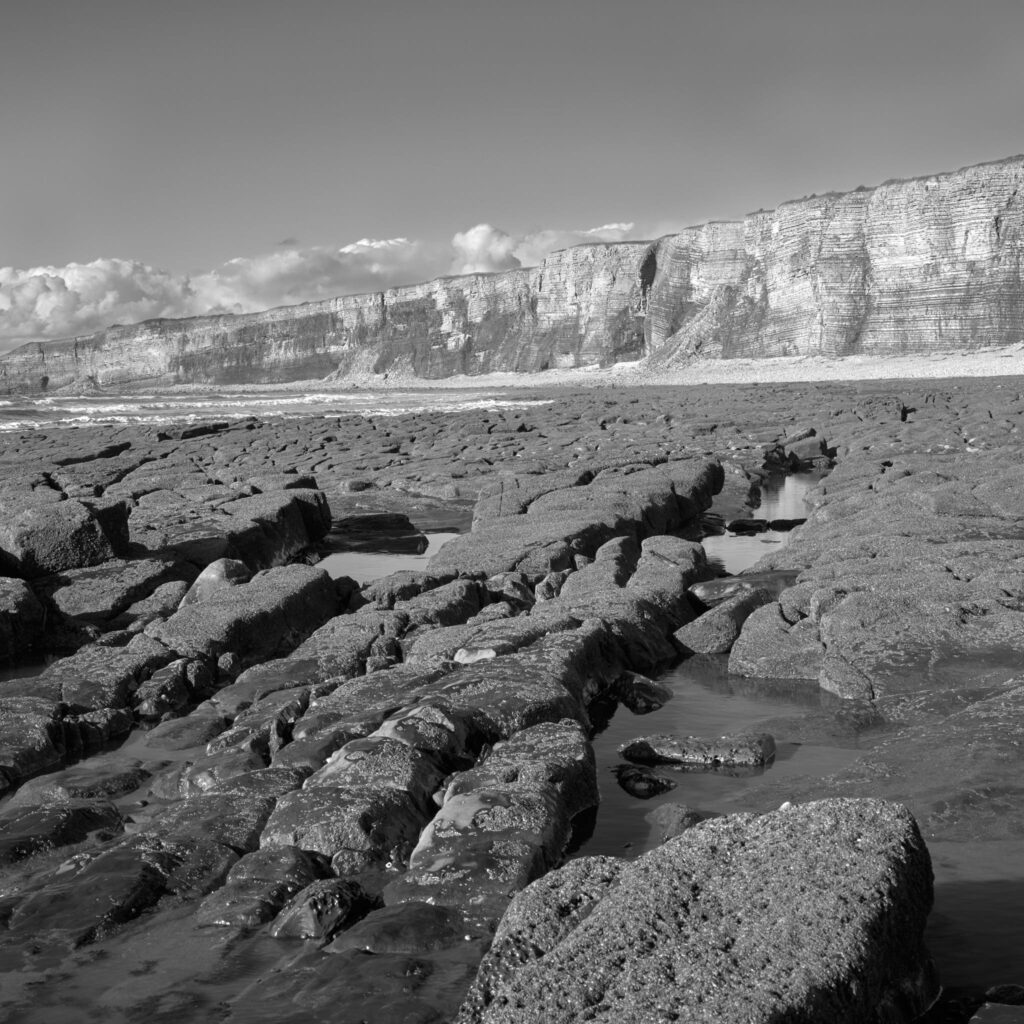
    That part of the Welsh coast isn’t sandy nor does it have pretty rocks. The land appears to be formed in layers of rock – see the cliffs in the first photograph – and where the sea has eroded the land it’s left a pock-marked pavement which extends out under the sea at high tide. I’m sure there will be a geological name for this type of feature. Perhaps a reader can let me know? At low tide, as on that day, the pavement presents a grippy surface that’s easy to walk on as its covered in barnacles. This makes moving around with camera gear really easy.

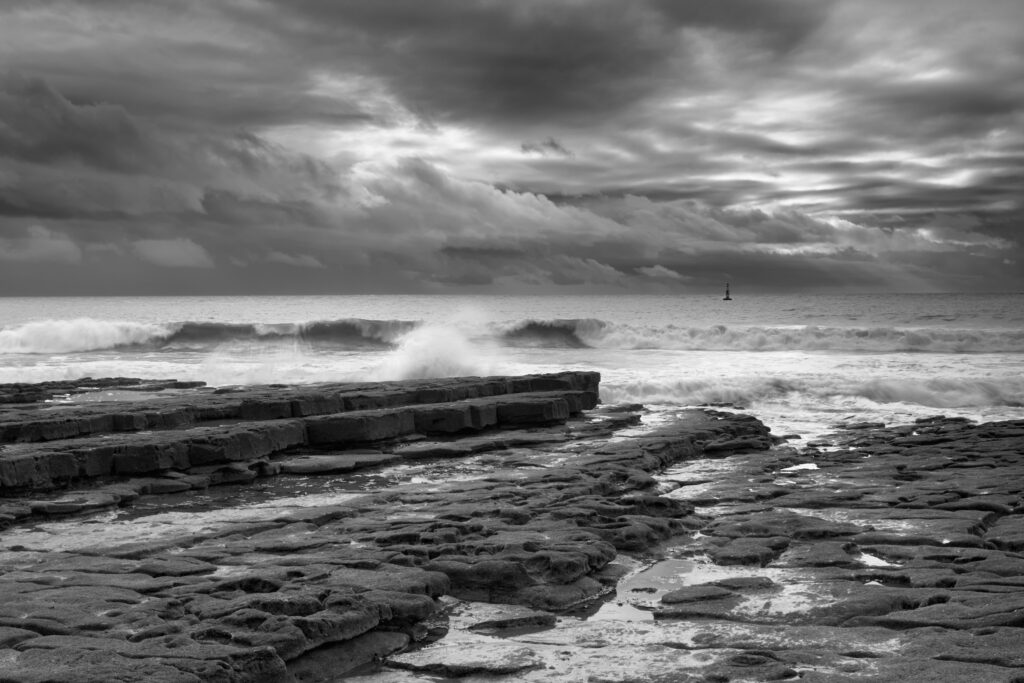
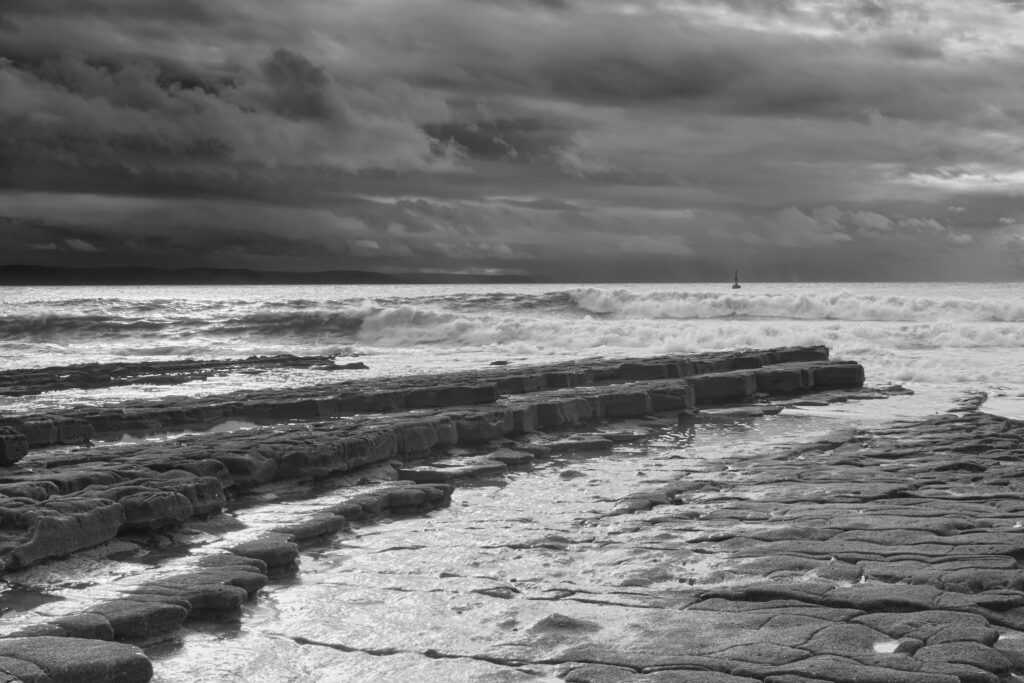
    I pottered around the beach for some time searching for compositions. The obvious ones included the long straight lines formed by the edges between different layers of the pavement. Colour was scarce. In fact it was either the dark brown of the pavement rock or the mid-tone grey of small, round boulders. There was no coloured seaweed, no coloured rocks, actually very little of interest. The sea and tide must carry everything away that can move. In the end it wasn’t my eye that found something but my ears. I became aware of a bell ringing and noticed a navigation buoy about 50m off-shore bobbing around in the swell. I felt this when composed with the pavement lines and the sky worked well.

    Stood there on the beach in bright sunshine I could see the distant English coast as a black stripe on the horizon covered by dark stormy clouds. That part of England was getting hammered! I was there for some time watching the clouds and it became obvious that the main interest lay the clouds. Sure enough it wasn’t long before those clouds started to get closer but then they faded away just when it looked like it may get interesting. Fortunately they soon returned, building much as before. The weather forecast wasn’t going to be wrong and I didn’t want to be on the beach when the rain and wind finally arrived.

    Sure enough about 45 minutes before sunset the cloud made it across the water and it started to spit with rain. That was my cue to retreat back up the cliff to my vehicle. Just after the camera gear was stowed and I had jumped in, the skies opened and it started raining – heavily!

    With a big smug smile,

    Andy


    All images are Copyright Andy Gawthrope Photography.