Forest of Dean
The Forest of Dean is a few miles from where I live over the Severn estuary and its two bridges. The Forest, as it’s known locally is approximately 100 square kilometres of mixed woodland and is one of the few surviving ancient woodlands in England. It’s a place I’ve walked extensively and come to know and love. It has a rich industrial history that includes forestry, charcoal production, iron working and coal mining of which, with the exception of forestry, little now remains. Most commercial mining ceased long ago, although several small mines are still active, owned and operated by local freeminers.
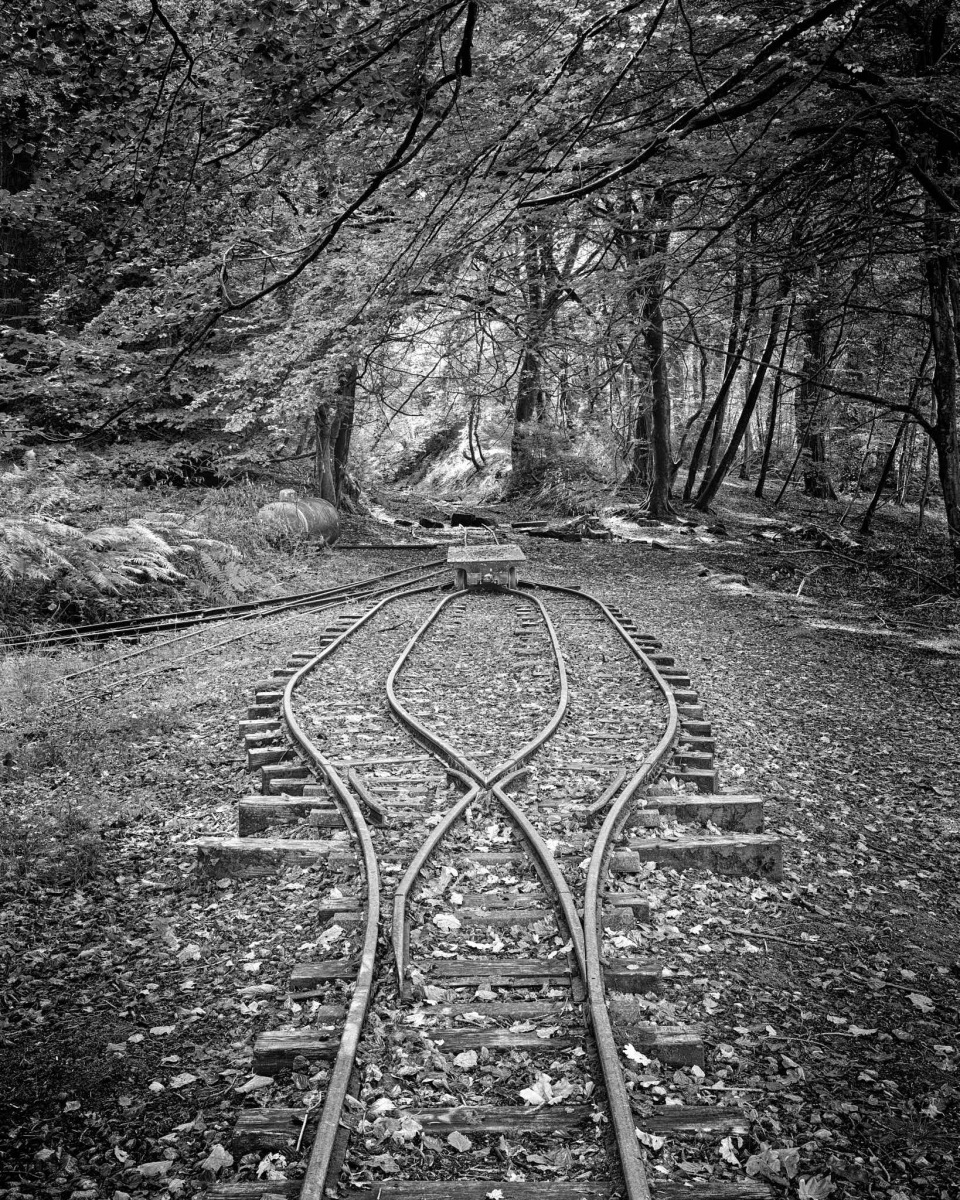
As the Forest industrialised during the 19th Century and commercial mining operations expanded, numerous railways were constructed. Narrow-gauge railways to service the needs of collieries and standard-gauge railways, the needs of industry and people needing to connect with the wider English and Welsh railway networks.
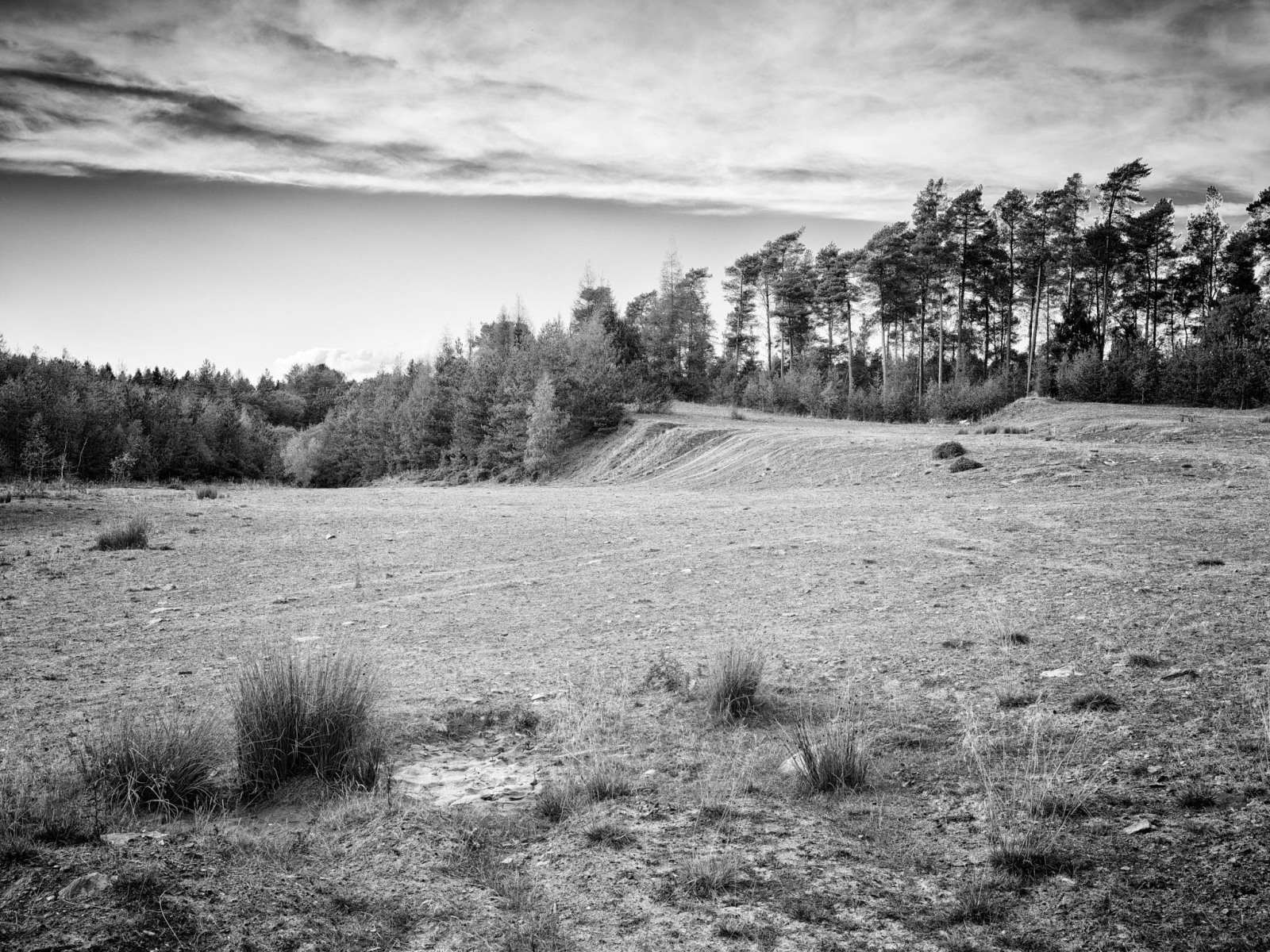
With the cessation of large-scale commercial mining the Forest has significantly changed. Collieries have been levelled, their shafts capped and left to re-wild. Trains no longer run with their rails removed. Today the Forest has been transformed. It is a quieter, cleaner place focused towards recreational activities such as walking, cycling, horse riding and other miscellaneous woodland activities.
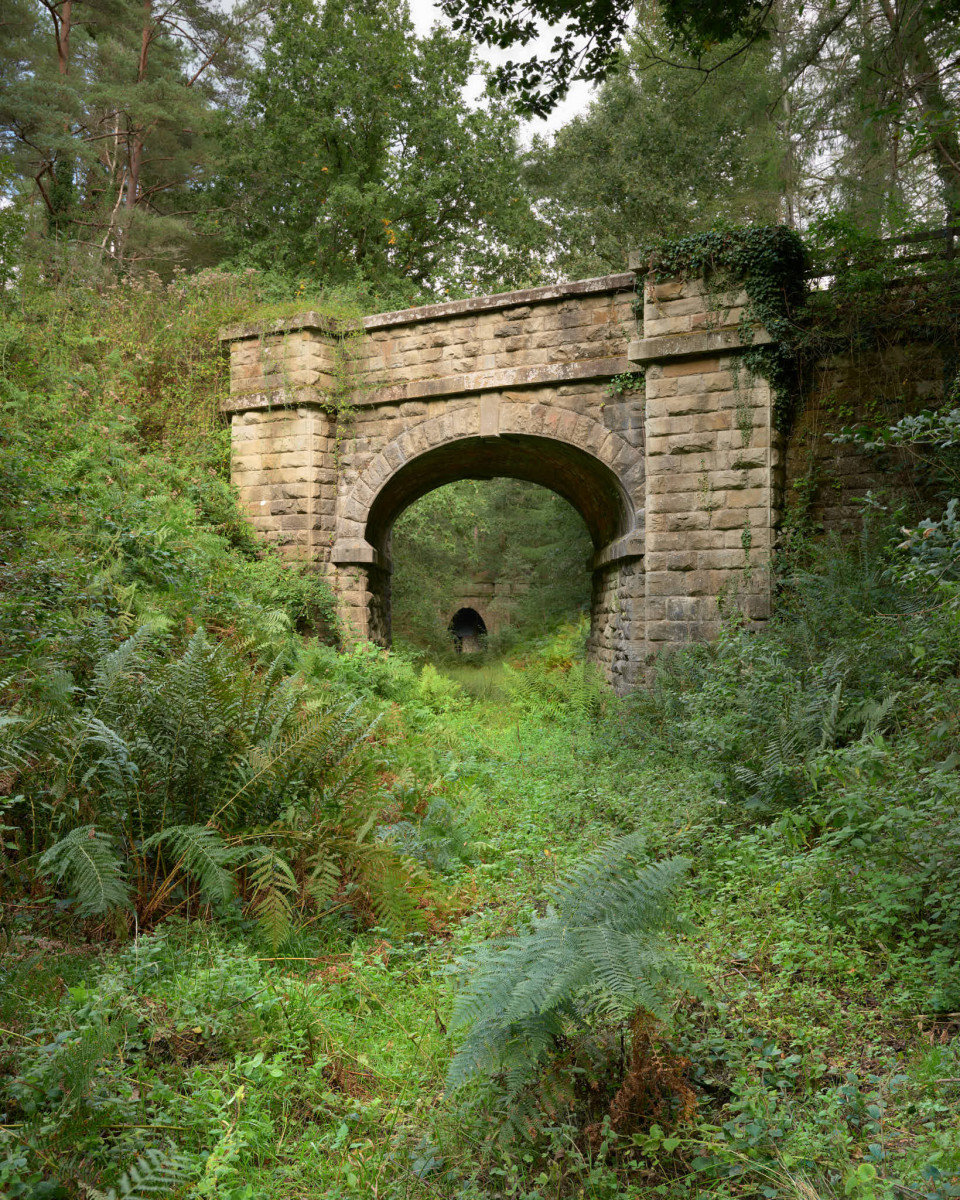
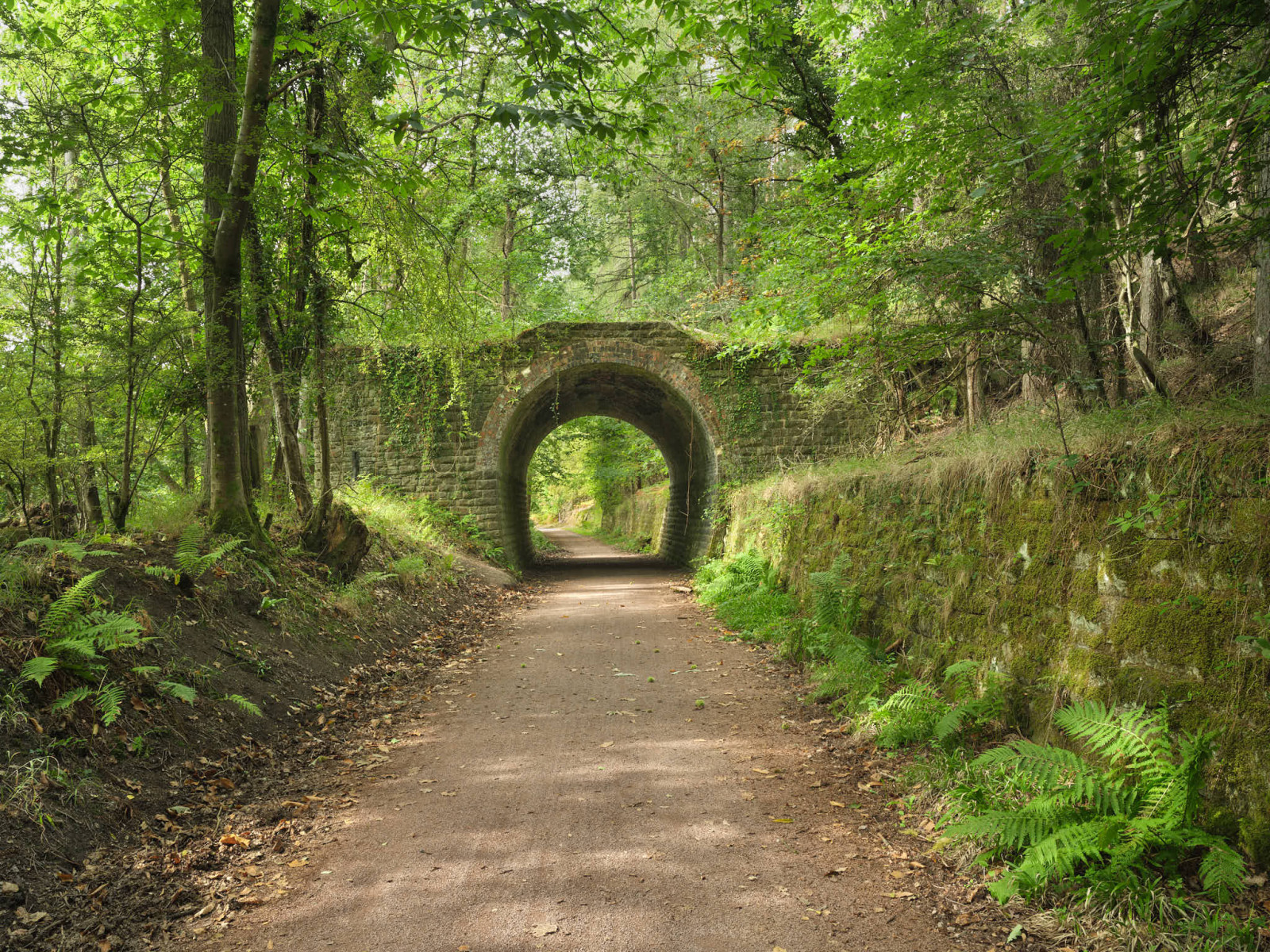
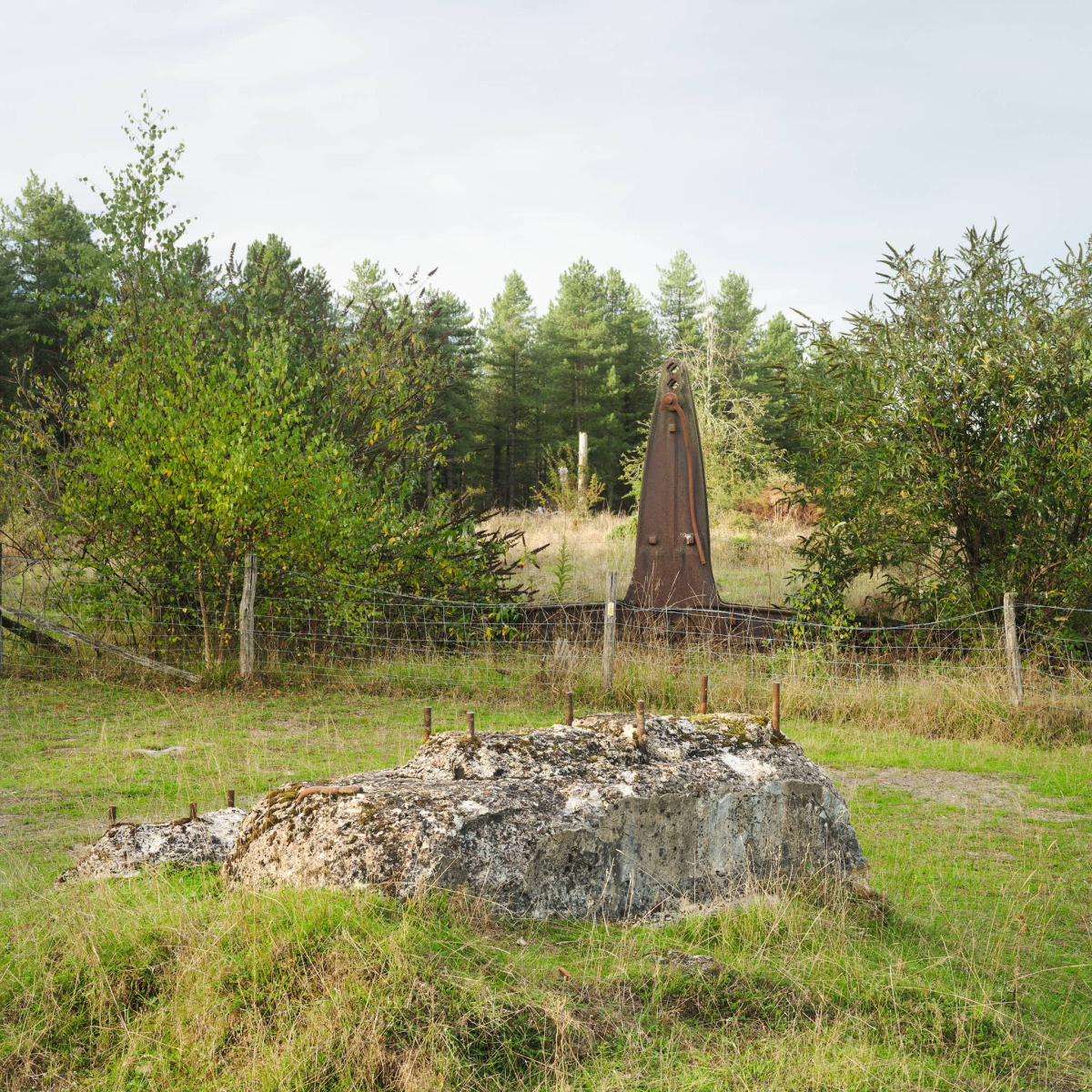
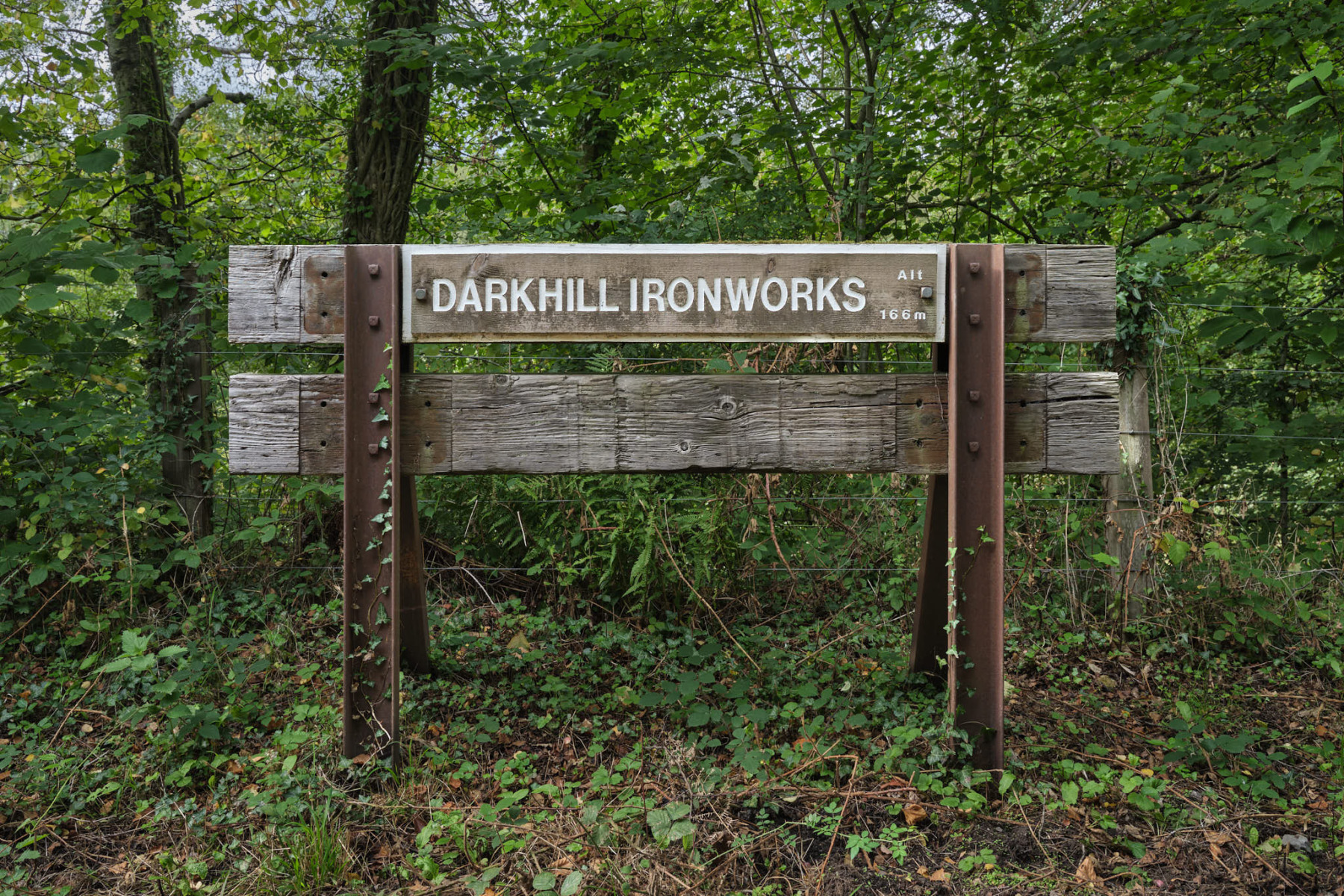
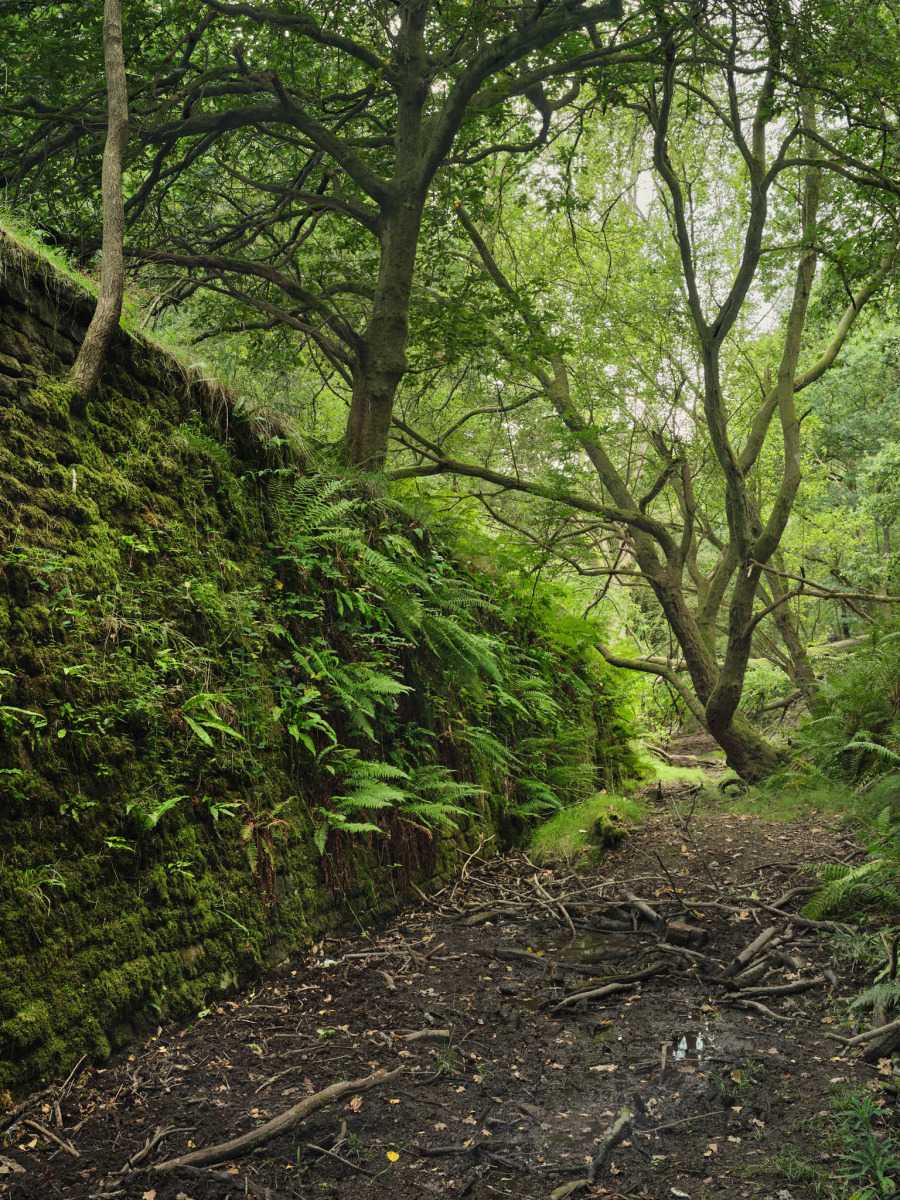
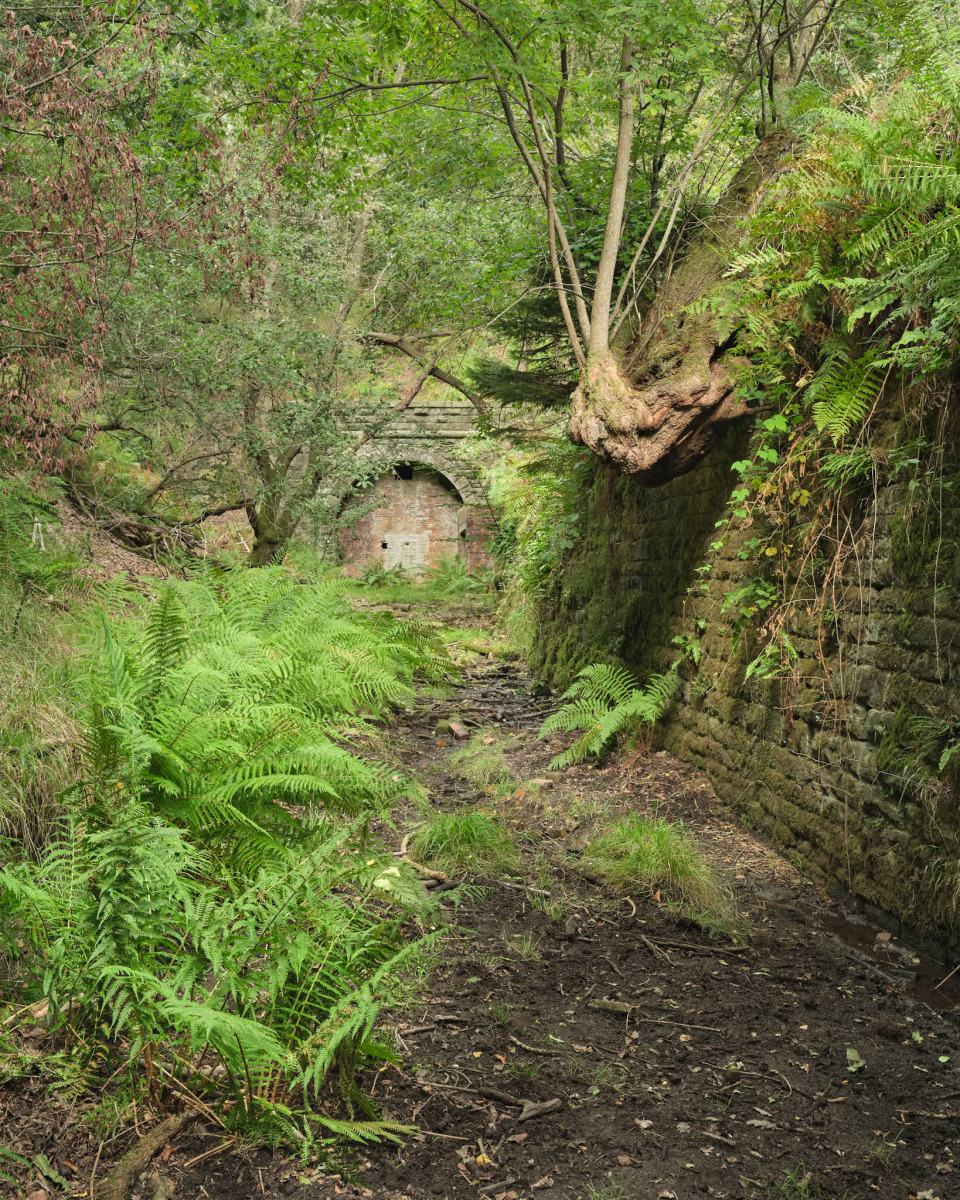
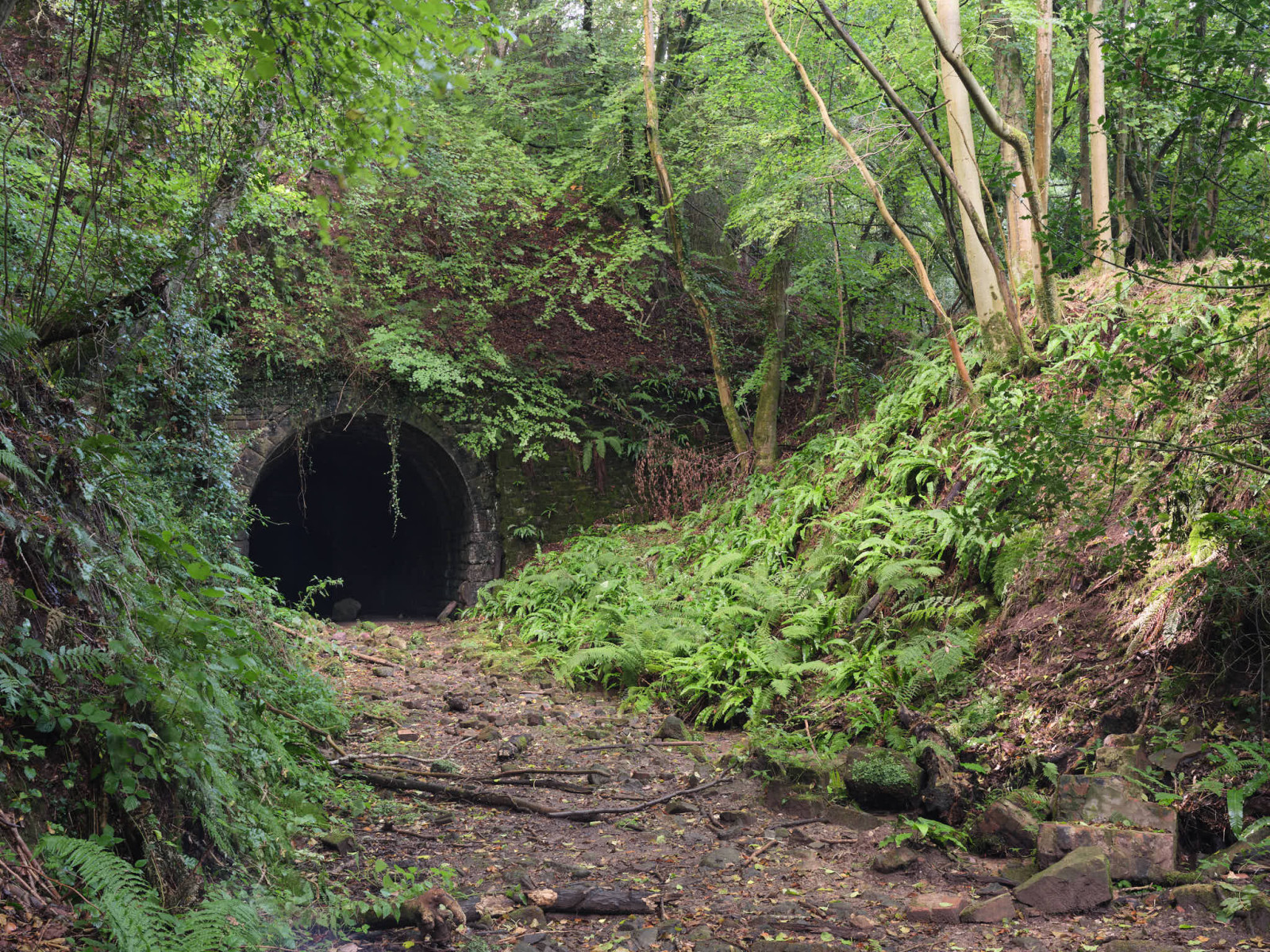
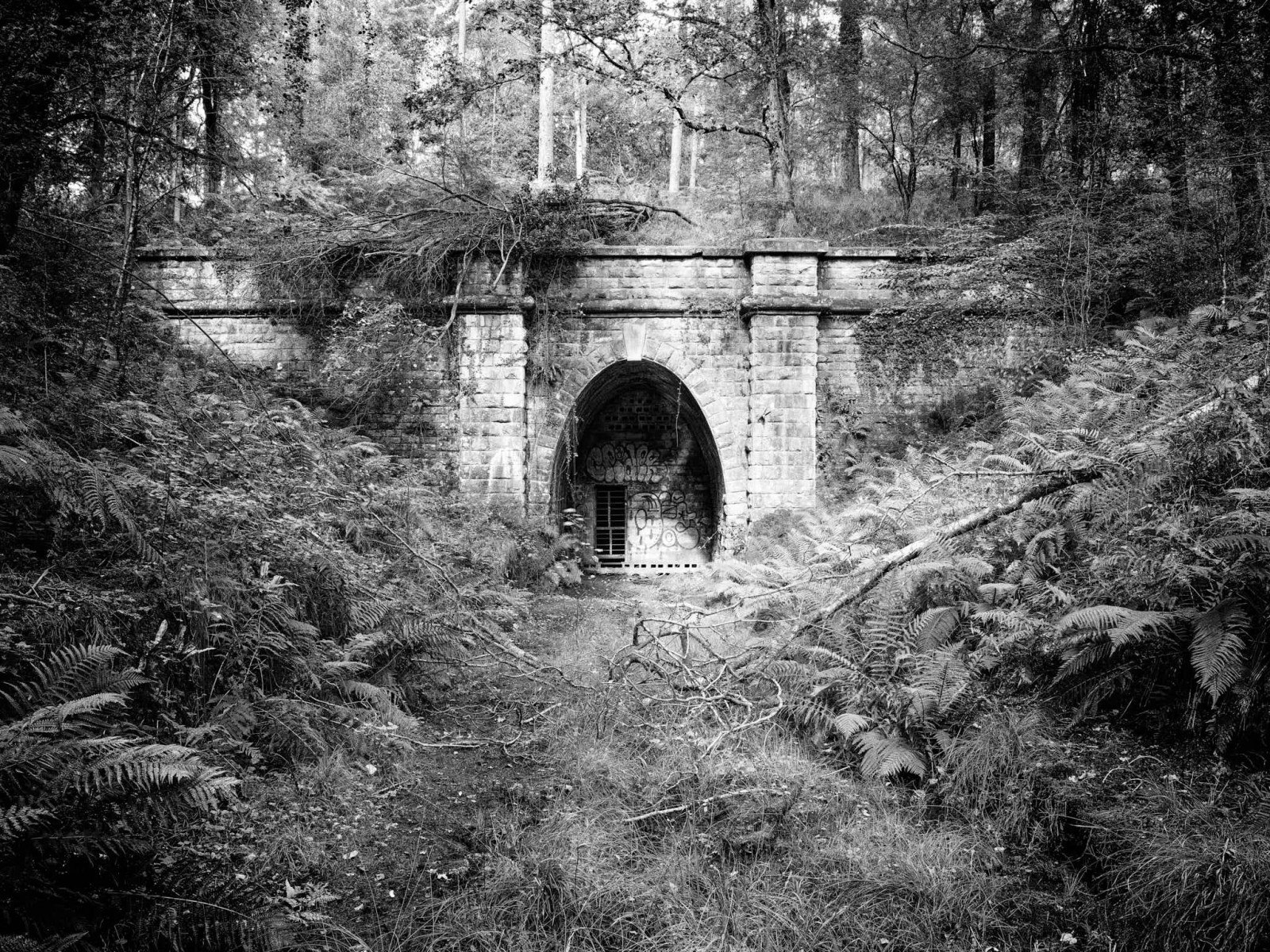
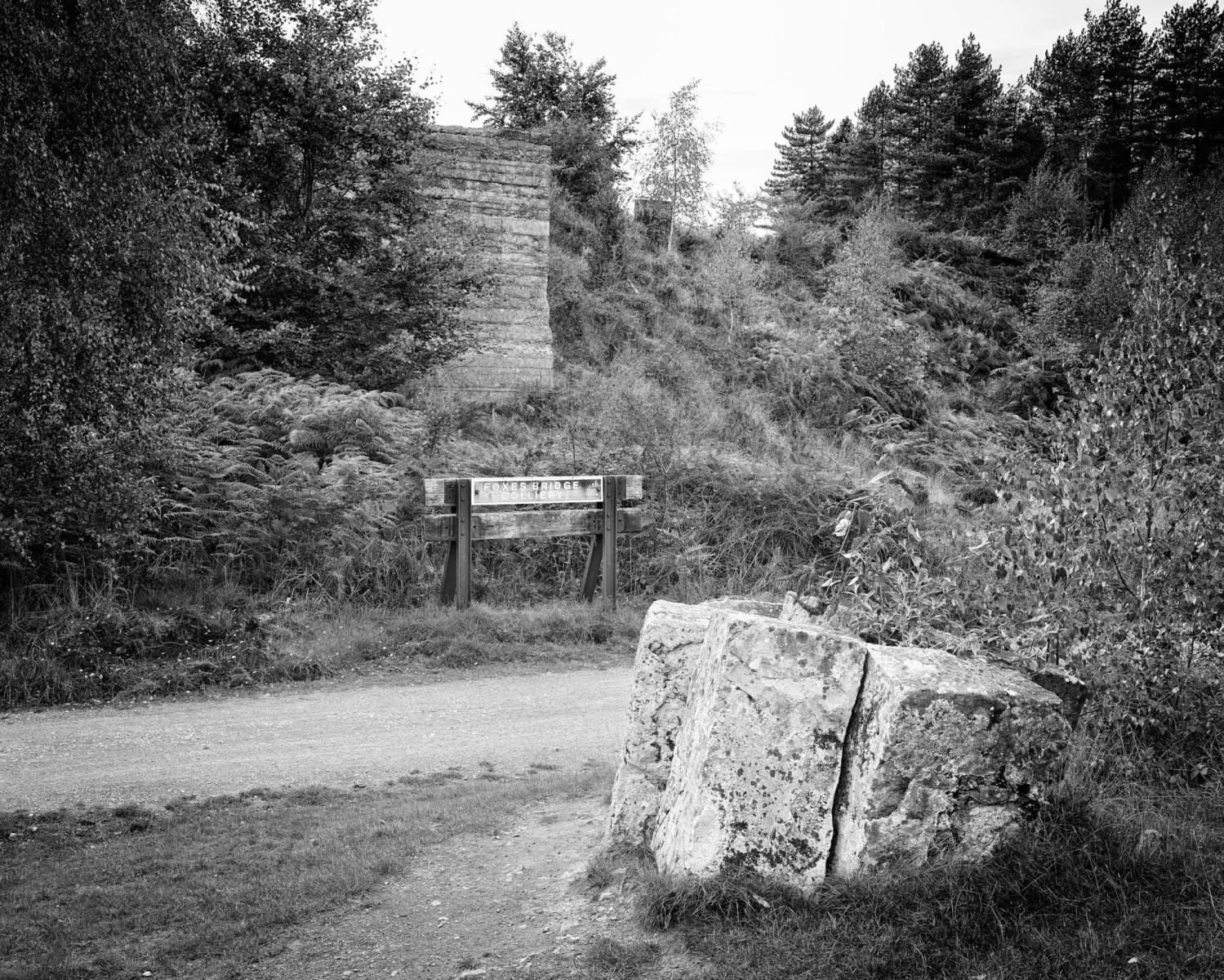
Today it’s possible to walk through what was once a large, busy colliery without realising as there is so little evidence on the ground. Perhaps the observant spot a few old bricks, unnatural outlines of disused tips in the landscape or old railway beds. Numerous railway bridges and tunnels do remain throughout the Forest but even these are starting to fade into the landscape.
This project aims to record some of this Forest of Dean industrial heritage. It’s work-in-progress and will evolve over the coming years.